

From Porto's historic architecture to the vineyards and private estates of the Douro Valley, discover why Northern Portugal deserves a closer look from international real estate buyers.
READ ALSO: Is Buying a Quinta in the Douro Valley a Good Long-Term Investment?
Northern Portugal is emerging as an increasingly interesting destination for international real estate buyers seeking something beyond the traditional markets of Lisbon and the Algarve.
Known for its historic cities, Atlantic coastline, architectural heritage, world-renowned wine regions, and distinctive lifestyle, the north of Portugal offers a diverse range of real estate opportunities. From elegant city residences and historic townhouses to private villas, traditional farmhouses, and exceptional country estates, the region appeals to buyers with very different priorities.
For American buyers in particular, Portugal offers an opportunity to explore European real estate ownership in a country with a rich cultural identity, established infrastructure, and a variety of residential environments.
But buying real estate overseas requires more than finding an attractive home.
Understanding local market conditions, property values, ownership costs, taxation, legal requirements, and regional differences is essential before making a purchase.
As we look ahead to 2027, this guide explores the Northern Portugal real estate market, the locations worth considering, and what international buyers should know before investing in or purchasing a home in the region.
Why Northern Portugal Is Worth Watching in 2027

Source: Picture David Magalhães | Unsplash
For years, international attention on Portuguese real estate has been concentrated around Lisbon, the Algarve, and, more recently, Madeira.
However, Northern Portugal offers a different combination of lifestyle, architecture, and real estate opportunities.
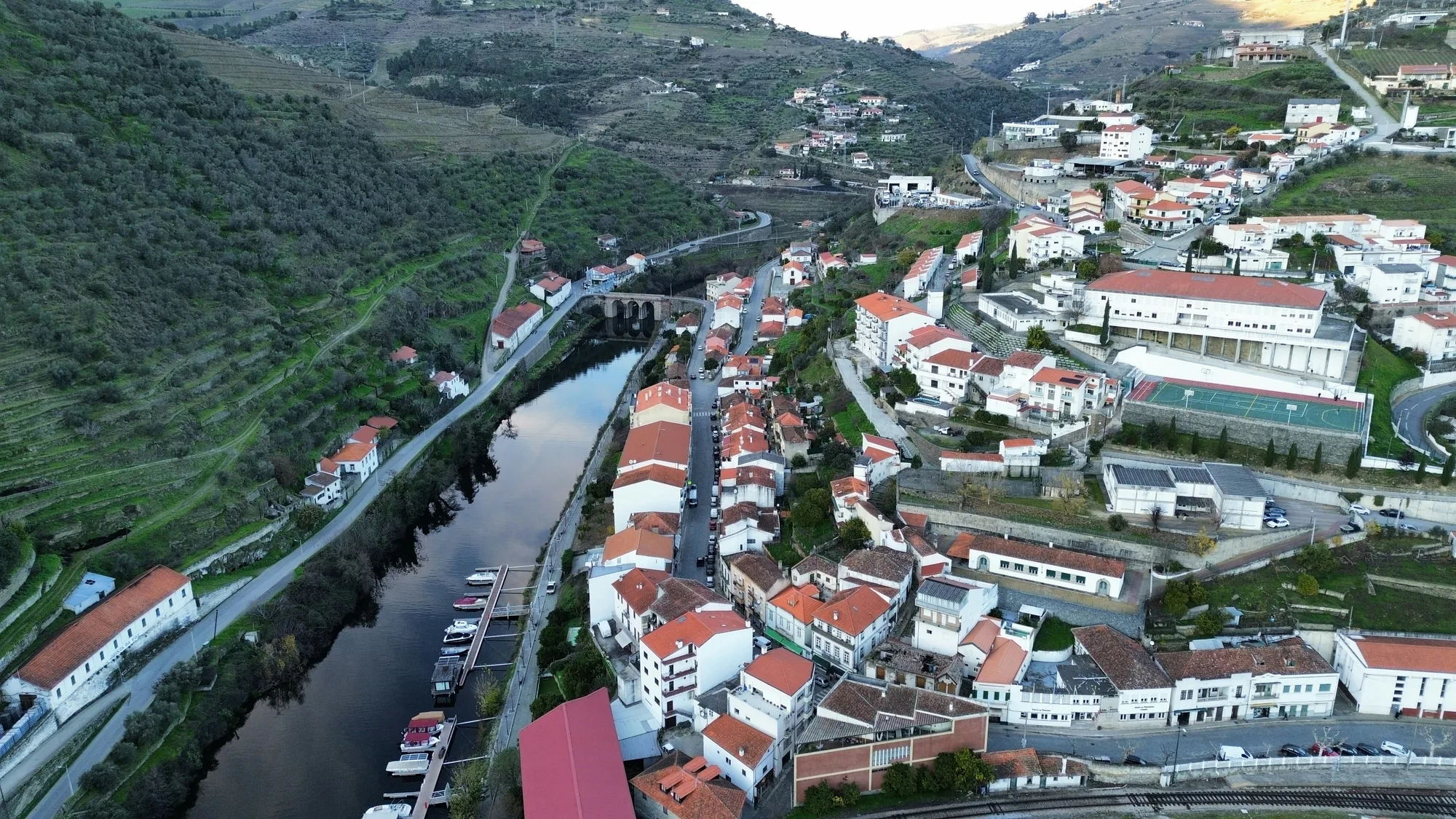
The region is home to Porto, one of Europe's most recognizable historic cities, as well as the Douro Valley, and an extensive Atlantic coastline. What makes Northern Portugal particularly interesting is its diversity.
Buyers can explore a historic townhouse in Porto, a contemporary coastal residence, a traditional granite farmhouse in the countryside, or a private estate surrounded by vineyards. These are not simply different types of properties. They represent different ways of living in Portugal.
Some international buyers are looking for a second home in Europe. Others are considering a permanent relocation, a long-term real estate investment, or the acquisition of a historic property that can be restored and enjoyed over time.
Northern Portugal offers the opportunity to explore all of these possibilities within a region that retains a strong sense of local identity.
For buyers who value architectural character, privacy, natural landscapes, and proximity to established cities, the north deserves serious consideration.
What the Latest Portuguese Real Estate Data Reveals
Source: Picture Steve Matthews | Unsplash
Understanding the direction of the Portuguese housing market is an important starting point when evaluating property opportunities.
According to Portugal's National Statistics Institute (INE), the national House Price Index increased by 17.6% in 2025 compared with 2024.
The increase was particularly pronounced in existing properties, which recorded average annual price growth of 18.9%, compared with 14.2% for newly built properties. During 2025, approximately 169,812 residential properties were transacted in Portugal, representing a year-on-year increase of 8.6%. The total value of transactions reached approximately €41.2 billion. These figures demonstrate the strength of the national housing market, although national averages should never be interpreted as evidence that every region or property category has experienced the same performance.
More recent figures also point to continued price growth. According to Banco BPI's September 2026 research note, Portugal's House Price Index increased by 16.5% year-on-year in the second quarter of 2026. The average transaction price reached approximately €266,500. These figures provide important context for international buyers considering the market in 2027.
However, rapid price appreciation also makes careful valuation increasingly important. A property's asking price should always be assessed against comparable transactions, its location, condition, legal status and potential future costs.
What does this mean for 2027?
The available evidence suggests that Portugal enters 2027 following a period of substantial residential price growth.
Nevertheless, past performance does not guarantee future appreciation. Buyers should focus on the fundamentals of each property rather than assume that national price trends will automatically translate into investment returns.
Sources: INE, House Price Index, 2025 results; Banco BPI, Portugal Housing Market Update, September 2026.
Why International Buyers Are Looking Beyond Lisbon and the Algarve
Portugal's appeal to international buyers has traditionally been associated with its climate, safety, lifestyle, cultural heritage and relatively accessible international connections.
But buyer preferences are becoming more geographically diverse.
According to idealista/data research published in July 2026, international visitors accounted for 12% of property listing views in Porto during May 2026. Braga recorded 10%, while Viana do Castelo reached 18%.
These figures measure online listing interest, not completed property purchases. Nevertheless, they provide a useful indication of where international attention is developing.
The United States and the United Kingdom were among the leading sources of international property searches across the Portuguese cities analysed.
This is particularly relevant for Northern Portugal.
For American buyers, the region can offer an alternative to more internationally established destinations, with a different architectural identity and a wider range of urban and rural property experiences. There are several reasons why buyers may consider looking north.
A more diverse property landscape
Northern Portugal offers more than one type of property experience.
Buyers can explore: historic townhouses in Porto; contemporary residences in established urban neighbourhoods; private villas along the Atlantic coastline; historic country estates in the Douro Valley; agricultural properties and vineyards; restoration projects with architectural heritage. This diversity allows buyers to approach the market according to their personal priorities rather than limiting their search to a single destination.
Heritage and architectural character
Many properties in Northern Portugal reflect centuries of regional architectural traditions. Granite façades, traditional tiled interiors, stone courtyards, wooden structures and historic manor houses contribute to the character of the region. For buyers interested in architecture and restoration, these properties can represent something more meaningful than a conventional residential purchase.
However, heritage properties may also involve planning restrictions, conservation requirements and additional restoration costs.
Lifestyle and privacy
For some international buyers, the attraction lies in having access to a quieter environment without becoming disconnected from essential services.
The Douro Valley, and parts of the northern coastline provide opportunities for a more private lifestyle.
This can be particularly attractive to buyers looking for a second residence, a country retreat or a longer-term relocation opportunity.
Source: Idealista.com
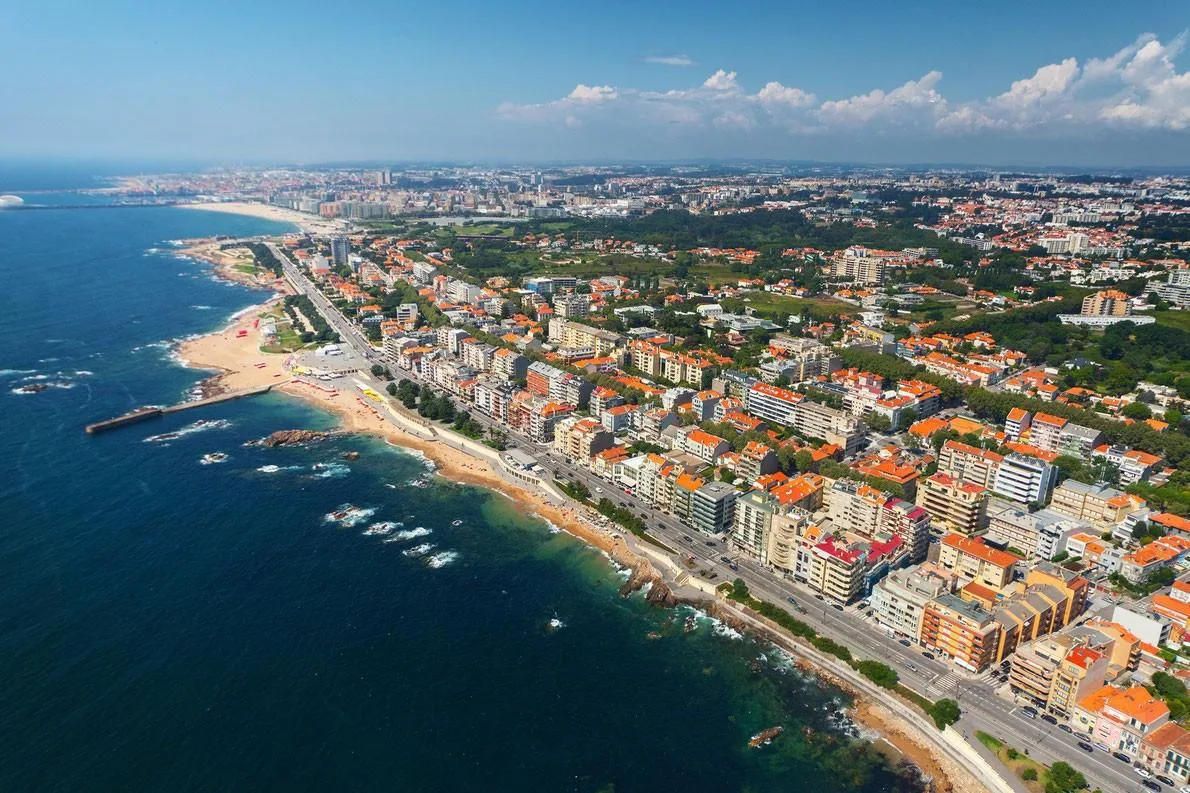
Porto is one of Portugal's most recognizable cities and an important destination for international real estate buyers.
Its appeal comes from the combination of historic architecture, established residential neighborhoods, cultural institutions, restaurants, universities, commercial activity, and international connections.
However, Porto should not be viewed as a single residential market. Different neighborhoods offer different property characteristics and lifestyles.
Foz do Douro: Coastal Living and Established Residential Areas

Source: gettyimages.com
Located where the Douro River meets the Atlantic Ocean, Foz do Douro is one of Porto's most desirable residential areas. Its appeal is associated with ocean proximity, established residential streets, restaurants, local services, and a more private atmosphere. The neighborhood offers a mixture of traditional houses, contemporary residences, and larger family homes.
For American buyers looking for a coastal European home without moving to a traditional resort destination, Foz is worth exploring.
Cedofeita: Architecture, Culture, and Urban Living
Cedofeita combines historic residential architecture with an active cultural and commercial environment. The neighborhood includes traditional townhouses, renovated apartments, independent shops, galleries, and restaurants.
It may appeal to buyers who want to experience Porto's urban lifestyle while remaining close to the historic center.
Boavista: Convenience and Residential Infrastructure
Boavista offers a different residential profile. Its wider avenues, established services, business districts, and mixture of traditional and contemporary buildings make it an interesting option for buyers prioritizing everyday convenience.
Bonfim: A Changing Urban Landscape
Bonfim has attracted increasing attention for its architectural character, creative community, and proximity to Porto's central neighborhoods.
Traditional residential buildings and renovation opportunities contribute to its appeal.
What matters most when buying in Porto?
Rather than focusing exclusively on a neighborhood's reputation, buyers should evaluate the individual street, building condition, surrounding environment, access to services, and long-term residential suitability.
A well-located property with sound fundamentals can be more interesting than an attractive listing in a neighborhood that does not match the buyer's objectives.
The Douro Valley: Owning a Historic Estate in One of Portugal's Most Remarkable Landscapes
Source: pollenmag.com | Ramos Pinto & The Douro Region
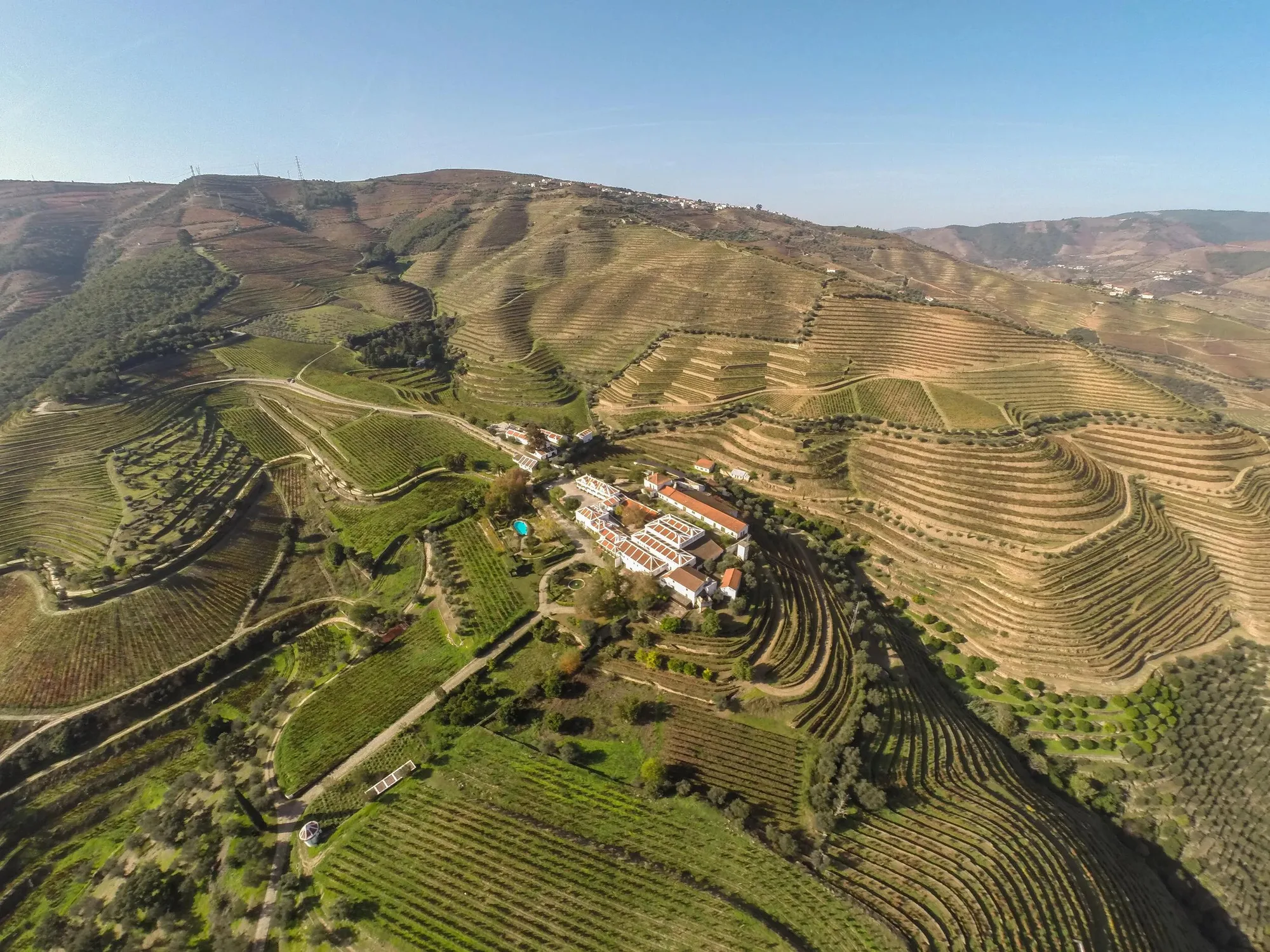
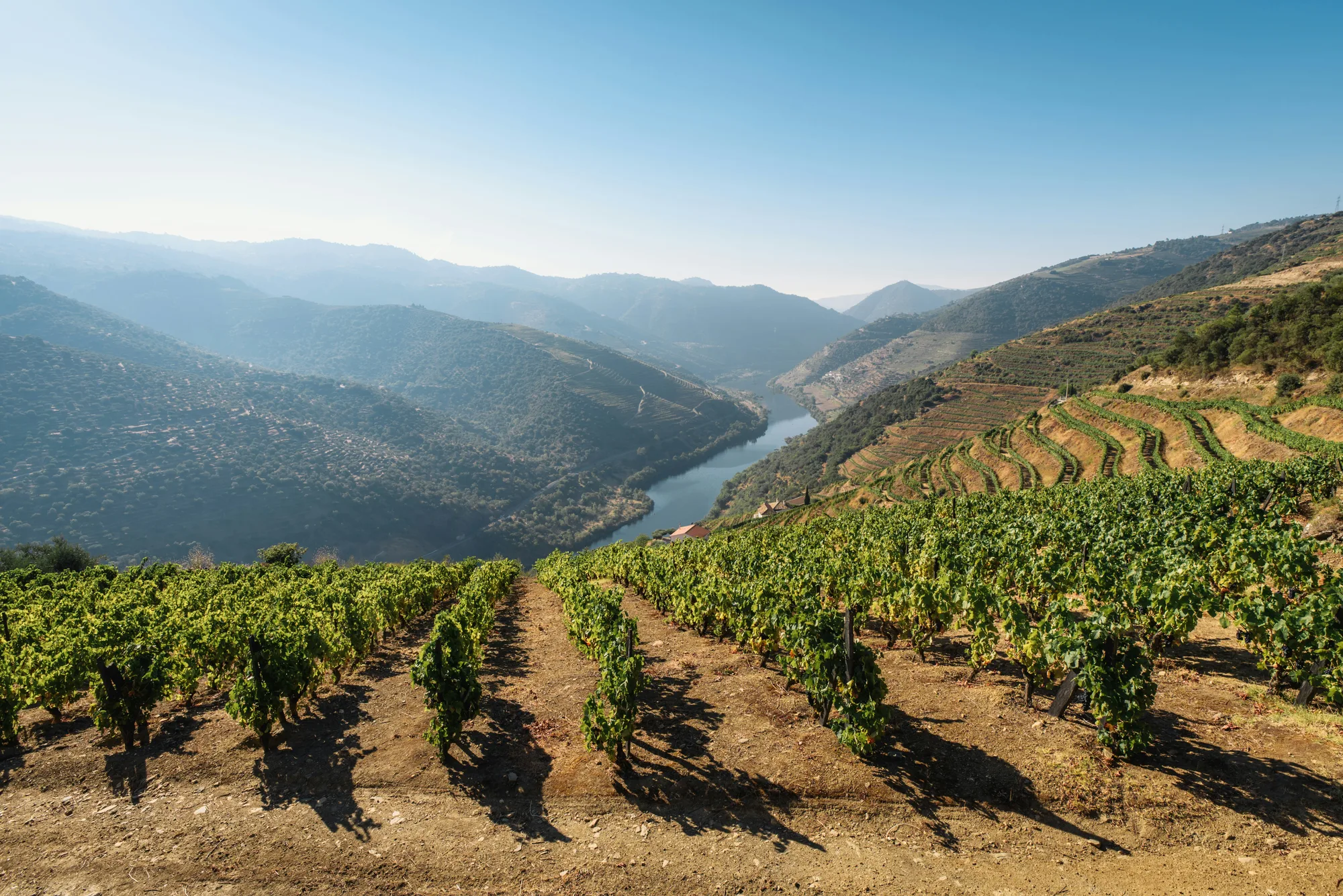
The Douro Valley offers one of the most distinctive real estate experiences in Northern Portugal. Recognized for its terraced vineyards, dramatic landscapes, traditional villages, and historic wine estates, the region attracts buyers looking for something beyond conventional residential real estate. For some, the attraction is a private countryside residence.
For others, it is the possibility of owning a traditional quinta, a historic manor house, or an estate with agricultural heritage.
What makes a Douro quinta special?
Source: Picture Maksym Kaharlytskyi | Unsplash
A traditional quinta may include a main residence, agricultural land, vineyards, gardens, outbuildings, and historic structures associated with wine production. However, the characteristics of each property can vary significantly.
Some estates are primarily residential. Others have agricultural operations, existing tourism activities, or historical wine-production facilities. Before acquiring a property, buyers should establish exactly what is included in the sale.
Important considerations include: Total land area and registered property boundaries; the legal status of all existing buildings; agricultural classifications and permitted land uses; water availability and irrigation infrastructure; vineyard ownership and operational arrangements; road access and maintenance responsibilities; electricity and wastewater infrastructure; existing commercial licenses and activities; restoration requirements and long-term maintenance costs. Owning a beautiful estate and operating a commercially viable agricultural property are two very different things.
This distinction is particularly important when evaluating properties that include vineyards or wine-production facilities.
Where should buyers look?
The Douro Valley includes several municipalities and local markets with different characteristics.
Locations such as Peso da Régua, Lamego, Pinhão, and São João da Pesqueira offer different combinations of accessibility, landscape, services, and property types.
Buyers should consider the practical requirements of owning a rural property, including travel distances, access to healthcare and essential services, seasonal conditions, and the availability of property management.
For those seeking privacy, architectural heritage, and a strong connection to the Portuguese countryside, the Douro Valley offers an exceptional setting.
Long-Term Residential Ownership
Some buyers are interested in purchasing a home they can enjoy over many years. In this case, the property's suitability, location, maintenance requirements, and quality of life may be more important than short-term market movements.
Historic Property Restoration
Northern Portugal offers a range of older buildings and historic estates that may present restoration opportunities.
A carefully planned project can improve functionality while preserving architectural character.
However, the financial viability of a restoration project depends on structural condition, licensing requirements, construction costs, and the property's eventual use.
Income-Producing Properties
Some properties may be suitable for long-term residential rentals or licensed tourism activities. Potential rental income should always be assessed against: property management fees; maintenance and insurance; taxes and operating expenses; vacancy periods; local rental demand; licensing requirements; financing costs, where applicable.
Buyers should never assume that a property can automatically be used for short-term tourist accommodation. Local regulations and licensing conditions must be checked before acquisition.
What Makes a Property a Good Investment?
A property's long-term potential is influenced by several factors: location and accessibility; purchase price relative to comparable properties; structural condition and maintenance requirements; legal and planning compliance; local residential demand; future capital expenditure; potential resale market; suitability for the intended use. In a market that has experienced significant price increases, disciplined purchasing decisions become particularly important.
Buying Real Estate in Portugal as an American: What You Need to Know
American citizens can generally purchase real estate in Portugal without first obtaining Portuguese residency or citizenship.
There is no general requirement for a US buyer to become a Portuguese resident simply to own a home in the country.
However, property ownership and immigration status are separate matters.
Understanding the purchasing process is essential before making a financial commitment.
Step 1: Obtain a Portuguese Tax Identification Number (NIF)
The Número de Identificação Fiscal, commonly known as the NIF, is Portugal's tax identification number.
It is required for property transactions and other tax-related activities.
American buyers should establish the correct procedure for obtaining a NIF, taking into account their tax residency and any applicable representation requirements.
Step 2: Understand Your Financing Options
International buyers may explore different financing structures.
These can include: purchasing with cash; obtaining financing from a Portuguese bank; exploring international financing arrangements.
Portuguese lenders may assess foreign income, existing debt, creditworthiness, documentation, and the property being acquired. US buyers should not assume that their domestic mortgage arrangements can simply be transferred to a Portuguese purchase.
Step 3: Arrange On-field Representation
If you are unable to travel to Portugal for every property viewing, having someone on the ground can make the process much easier. Local representation can help you explore properties, understand their surroundings, and gain a clearer perspective before deciding which ones are worth visiting in person.
At Hidden Portugal Estates (HPE), we offer personalized property scouting services, helping international buyers discover and explore real estate opportunities across Northern Portugal. Our local knowledge and tailored approach make the search more focused and convenient.
Step 4: Sign the Purchase Agreement
The Promissory Purchase and Sale Agreement, known as the Contrato-Promessa de Compra e Venda or CPCV, is commonly used in Portuguese real estate transactions.
It establishes the agreed purchase price, deposit, contractual conditions, and the parties' obligations. The deposit and contractual consequences of withdrawal should be carefully reviewed by a lawyer before signing.
Step 5: Complete the Purchase
The transaction is finalized through the appropriate deed or legally recognized purchase document.
The applicable taxes must be paid, and ownership must be registered with the Portuguese Land Registry.
The buyer should ensure that all relevant documentation and payments have been properly completed.
Portuguese Property Taxes: What American Buyers Should Budget For
One of the most important considerations when purchasing real estate in Portugal is understanding the full cost of ownership.
The purchase price is only one part of the financial commitment.
IMT: Property Transfer Tax
Imposto Municipal sobre as Transmissões Onerosas de Imóveis, commonly referred to as IMT, is Portugal's property transfer tax.
The amount payable depends on the property, its classification, the purchase value, and the buyer's circumstances.
Important 2026 regulatory change:
Under Decree-Law No. 97/2026, a 7.5% IMT rate applies to nonresident buyers acquiring urban property or an urban property unit intended exclusively for residential use, subject to the statutory exceptions.
The exceptions include certain circumstances involving existing Portuguese tax residency, becoming a Portuguese tax resident within two years of acquisition, or qualifying residential rental arrangements.
This is particularly important for American buyers who intend to purchase a second home in Portugal while remaining nonresidents for Portuguese tax purposes.
The rules should be checked carefully with a Portuguese tax professional before making an offer.
Stamp Duty (Imposto do Selo)
Stamp Duty is generally payable on property acquisitions.
The standard rate applicable to a property purchase is generally 0.8% of the relevant taxable value.
Additional Stamp Duty may apply to mortgage financing.
IMI: Annual Municipal Property Tax
IMI is Portugal's annual municipal property tax.
It is calculated using the property's taxable value, known as the Valor Patrimonial Tributário (VPT).
The applicable rate depends on the property's classification and municipality.
Buyers should confirm the property's tax assessment and applicable municipal rate before completing the transaction.
Other Ownership and Acquisition Costs
Additional expenses may include: legal fees; notary and registration fees; property insurance; bank and mortgage fees; currency conversion costs; technical inspections; property management; maintenance and renovation expenses.
American buyers should also consult a US tax professional familiar with international real estate ownership.
Depending on the ownership structure and use of the property, US tax considerations may include rental income, capital gains, foreign tax credits, and estate planning. Owning a home in Portugal does not automatically eliminate US tax obligations.
Residency and the Portugal Golden Visa: What Has Changed?
Buying a home in Portugal does not automatically grant the right to live in the country indefinitely.
This is an important distinction for American buyers considering a second home or a permanent relocation.
Portugal's Golden Visa program, formally known as the Residence Permit for Investment Activity (ARI), underwent significant changes in 2023.
Direct residential real estate purchases ceased to qualify as a new Golden Visa investment route.
Therefore, purchasing a house, apartment, villa, or quinta should not be presented as a way to obtain Portuguese residency through the former real estate investment option.
Other immigration and residence pathways may be available depending on the buyer's circumstances, professional activity, financial situation, and intended length of stay.
American citizens should investigate the applicable visa requirements separately from their property purchase.
The decision to buy real estate and the decision to establish legal residency are two distinct processes.
Discover Northern Portugal with Hidden Portugal Estates’ Property Scouting Services
Finding the right property in Northern Portugal takes more than browsing online listings. The region offers an extraordinary variety of homes, from historic townhouses and traditional stone properties to countryside estates, vineyards, and contemporary residences. However, some of the most interesting opportunities are not always easy to find through conventional property searches.
At Hidden Portugal Estates, our Property Scouting Services are designed for international buyers who want a more personal and informed approach to finding real estate in Portugal.
Rather than simply sending you a list of available properties, we take the time to understand what you are looking for, your lifestyle preferences, investment objectives, and expectations for your future property.
A Tailored Property Search
Our scouting service begins with understanding your vision. Whether you are looking for a permanent residence, a vacation home, a traditional quinta, a renovation project, or a countryside estate, we help identify properties and locations that match your criteria.
Our local knowledge allows us to explore different areas across Northern Portugal, including Porto, and the Douro Valley.
Local Insight and Access to Opportunities
Knowing where to look can make a significant difference. We help international buyers explore locations beyond the most obvious destinations, introducing them to different communities, landscapes, and property types.
The scouting work can include: identifying properties that match your requirements and budget, exploring locations and neighborhoods across Northern Portugal; researching traditional homes, country estates, quintas, and renovation opportunities; helping you understand the character and potential of different properties and areas; arranging property visits and coordinating viewings; providing local insight to help you make more informed decisions.
A More Personal Way to Find Property in Portugal
Buying property abroad can feel overwhelming, particularly when you are unfamiliar with the local market, geography, and property landscape. Our role is to make the search more focused, personal, and efficient.
The Hidden Portugal Estates acts as your local point of contact throughout the scouting process, helping you discover opportunities that align with your plans and giving you a better understanding of what Northern Portugal has to offer.
Whether you are searching for a home in Porto or a quinta in the Douro Valley, HPE can help you explore the possibilities.
Looking for a property in Northern Portugal?
Tell us what you have in mind. At Hidden Portugal Estates, we help international buyers discover distinctive properties and explore the region with a more personal, locally informed approach.
Explore our Property Scouting Services or contact Hidden Portugal Estates to start your property search.
Market data and regulatory references reflect information available as of November 2026. Market conditions, tax rules, and residency requirements may change. This article is intended for general informational purposes only and does not constitute financial, legal, tax, or investment advice.
For a perspective tailored to your objectives, share your brief with the firm.
Request Private Access