
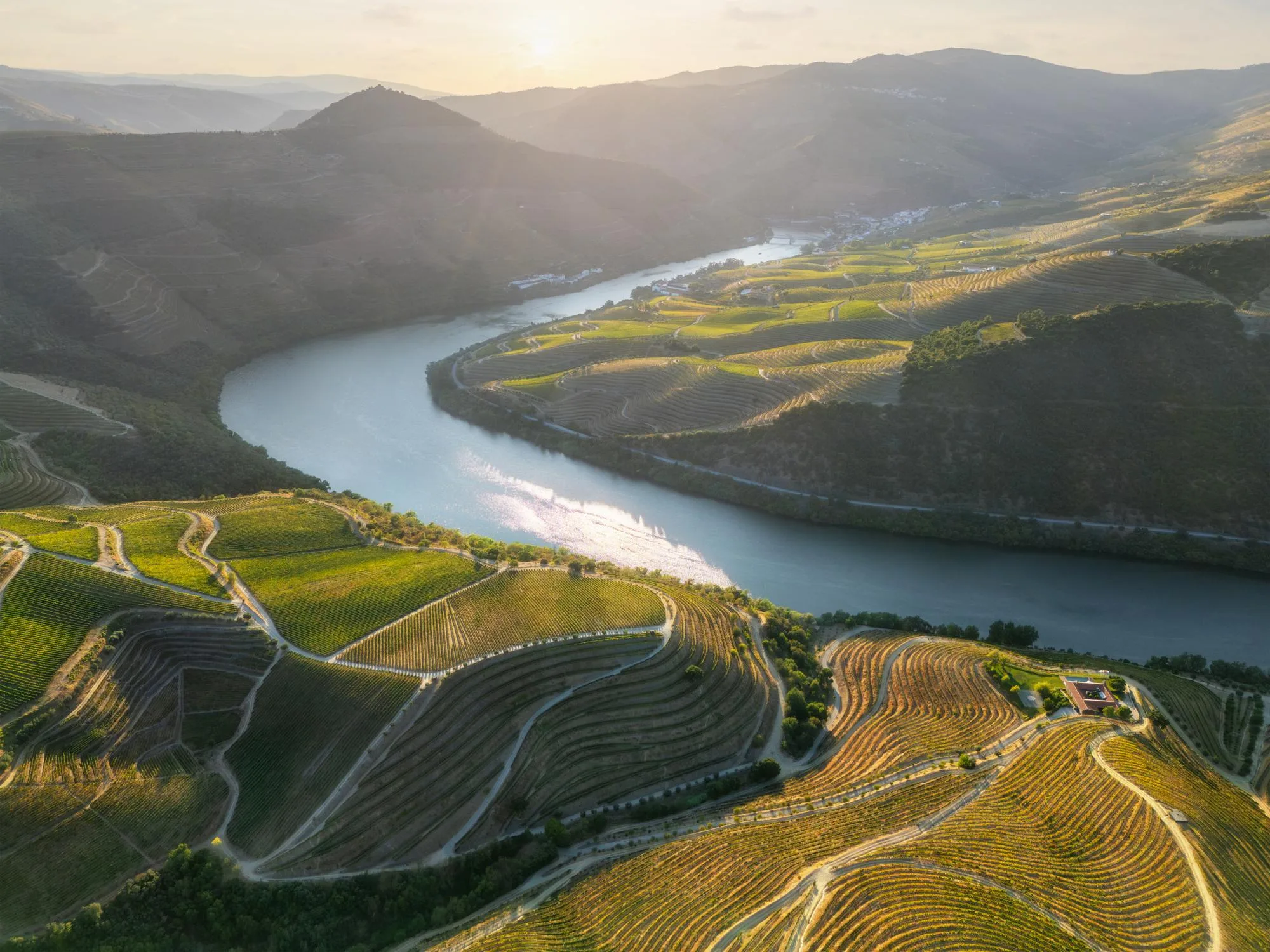
Source: decanter.ru
For buyers considering a long-term investment, owning a quinta in the Douro can be an opportunity to combine property ownership, lifestyle and agricultural potential. However, not every quinta is the same, and understanding the property, land and operating costs is essential before making a decision.
READ ALSO: Northern Portugal Real Estate: A 2027 Guide for International Buyers
Source: viking.tv
At Hidden Portugal Estates, our Property Scouting service helps buyers identify properties that match their objectives, assess their potential and understand what lies beyond the initial purchase price.
Different types of quintas in the Douro Valley
Quintas can vary considerably in size, condition and purpose. Understanding these differences is essential, as each type offers distinct opportunities, responsibilities and investment requirements.
Wine-producing estates
Source: portugalbywine.com
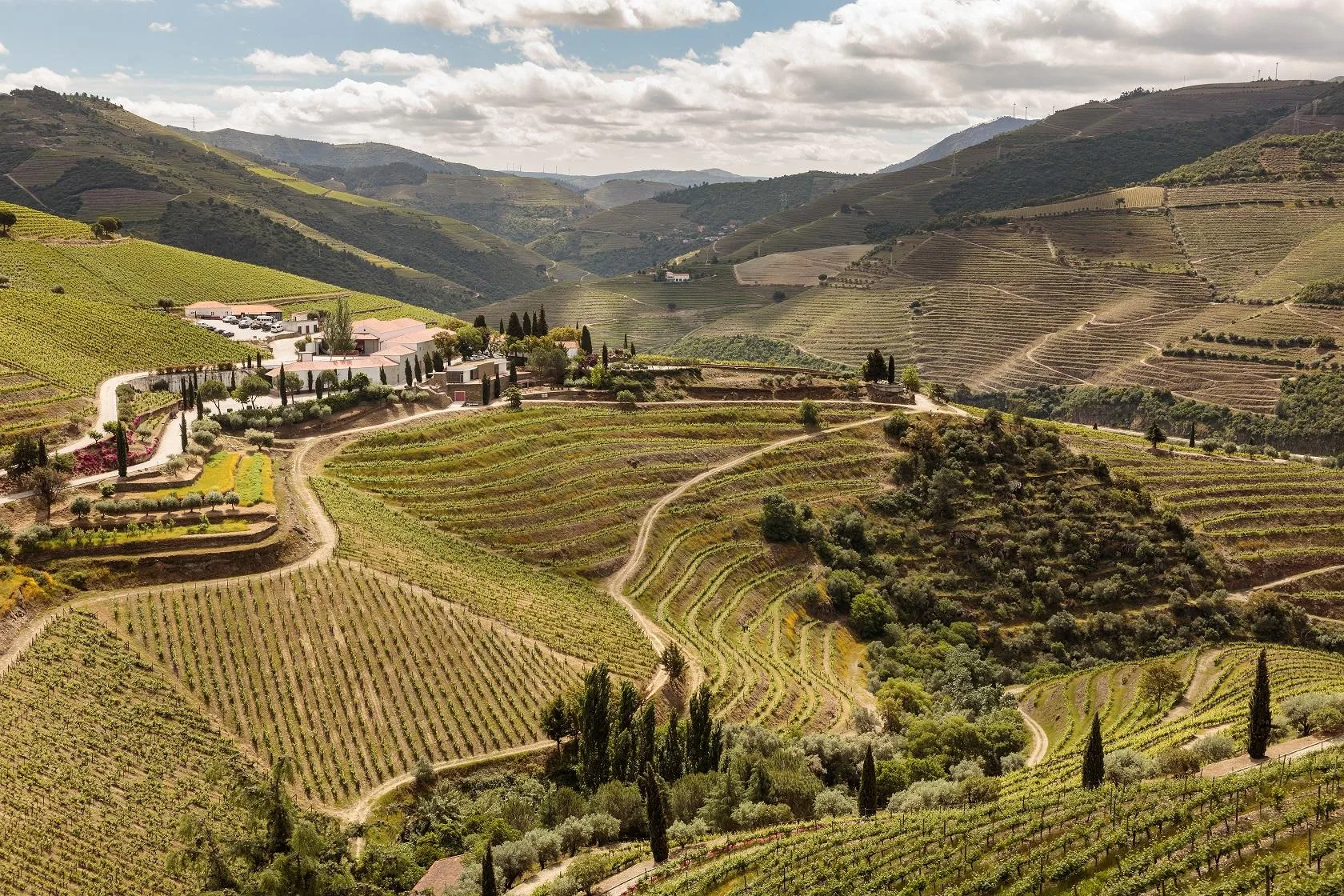
These are among the most recognised properties in the Douro Valley. They typically include established vineyards, agricultural infrastructure and, in some cases, a winery, wine cellar and existing wine production business. Some estates are connected to the production of Port wine, while others focus on DOC Douro wines. They can offer agricultural income and the possibility of developing a wine tourism business, but require specialist management, investment in equipment and a good understanding of the wine industry. For buyers interested in this type of property, assessing vineyard quality, production capacity, existing contracts and applicable wine regulations is particularly important.
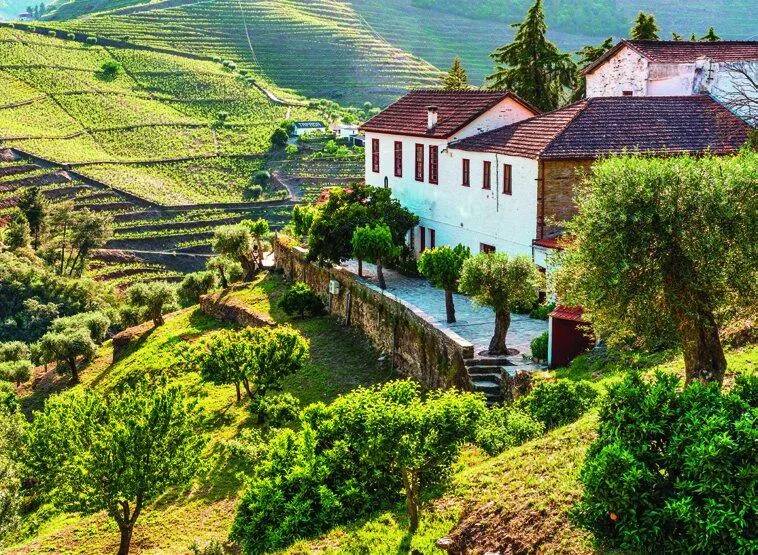
Traditional Rural Quintas
Source: viewer.joomag.com Overseas Adventure Travel Announcing 2026 Adventures by Land & Small Ship
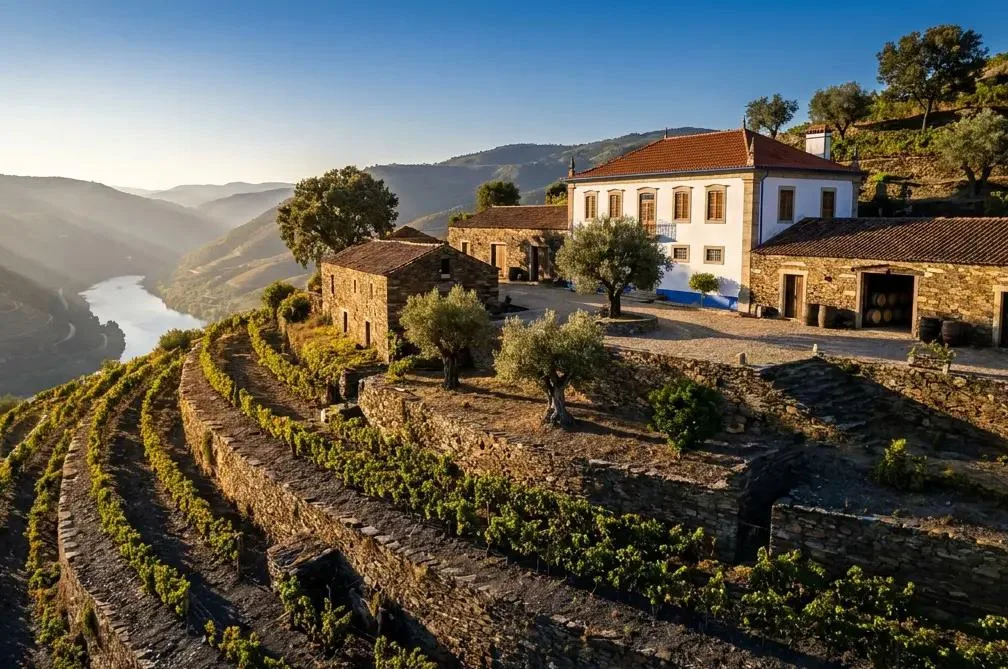
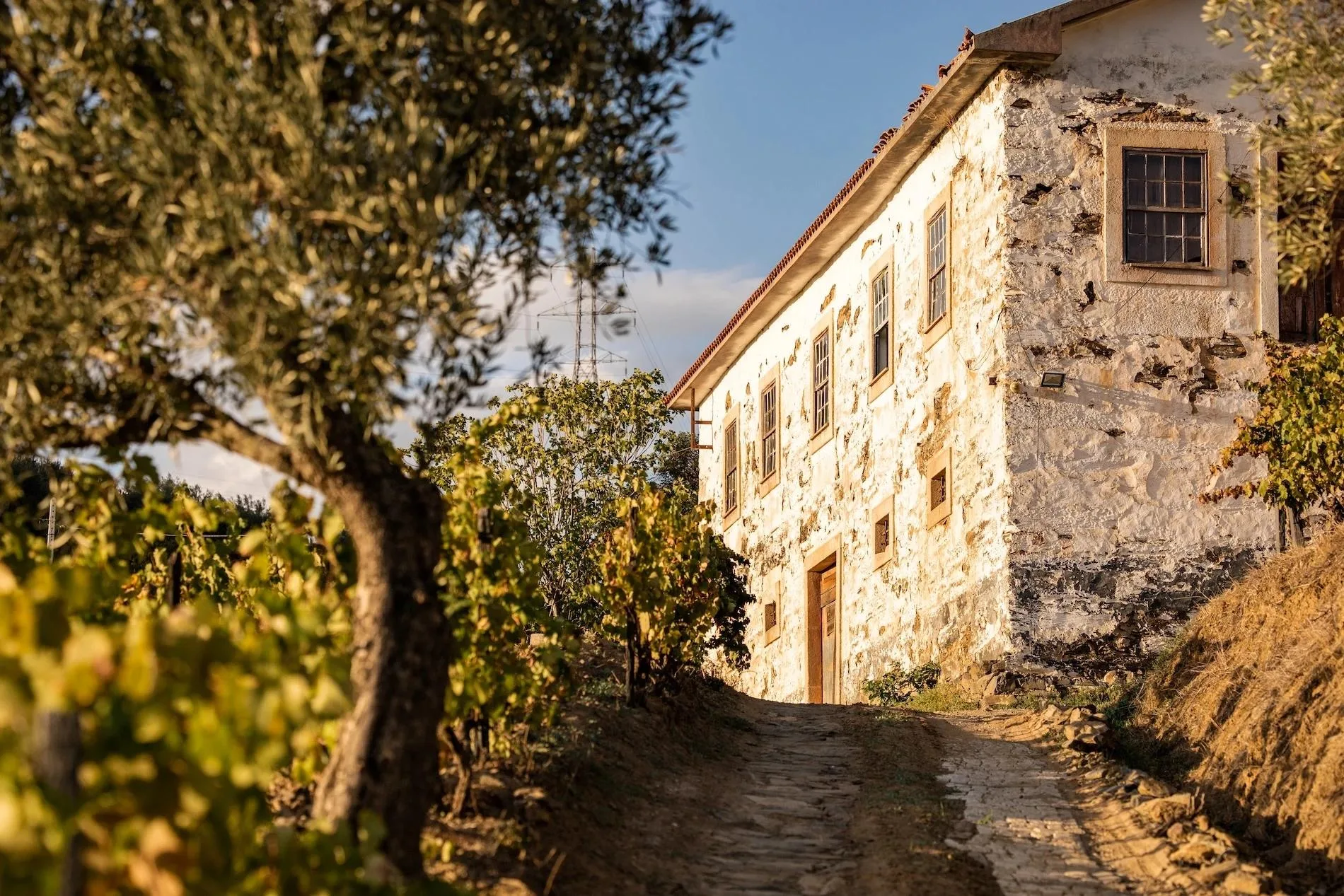
These properties often combine a main residential house with several hectares of land, which may include vineyards, olive groves, fruit trees, woodland or uncultivated areas. Many feature traditional stone buildings, agricultural outbuildings and outdoor spaces that reflect the region's rural heritage.
Source: quintavacaria.pt
They can be particularly attractive to buyers looking for a private residence, a second home or a property with the potential for small-scale agricultural activity. Their investment potential depends on the condition of the buildings, the quality and usability of the land, accessibility and the cost of maintaining the estate.
Historic estates
Source: ilovedouro.pt
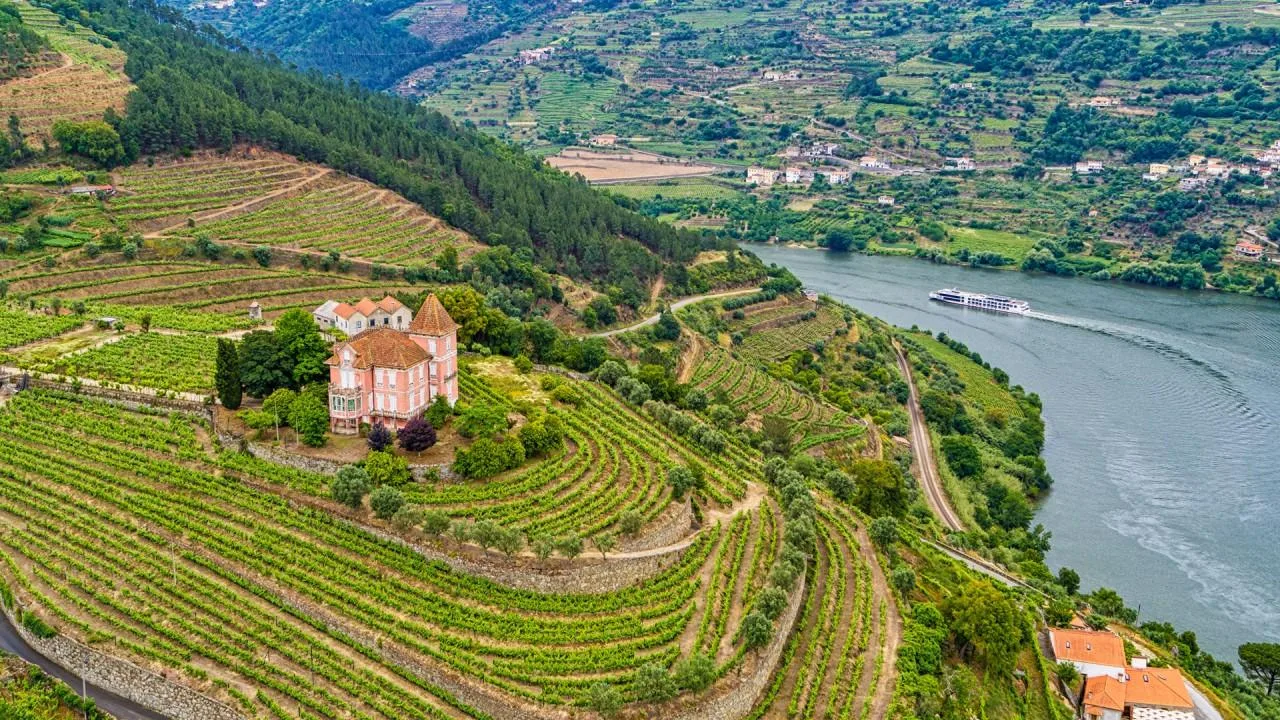
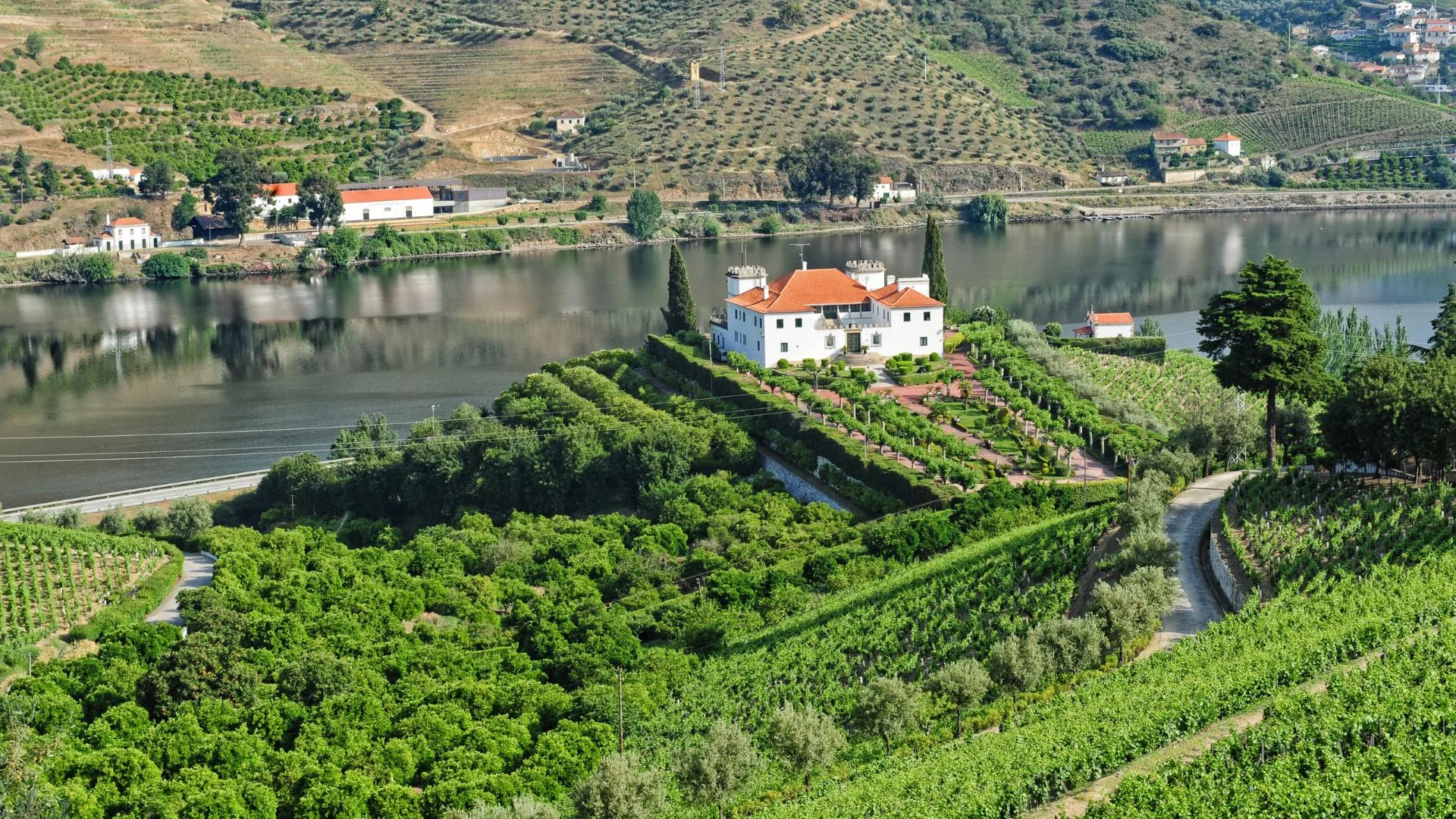
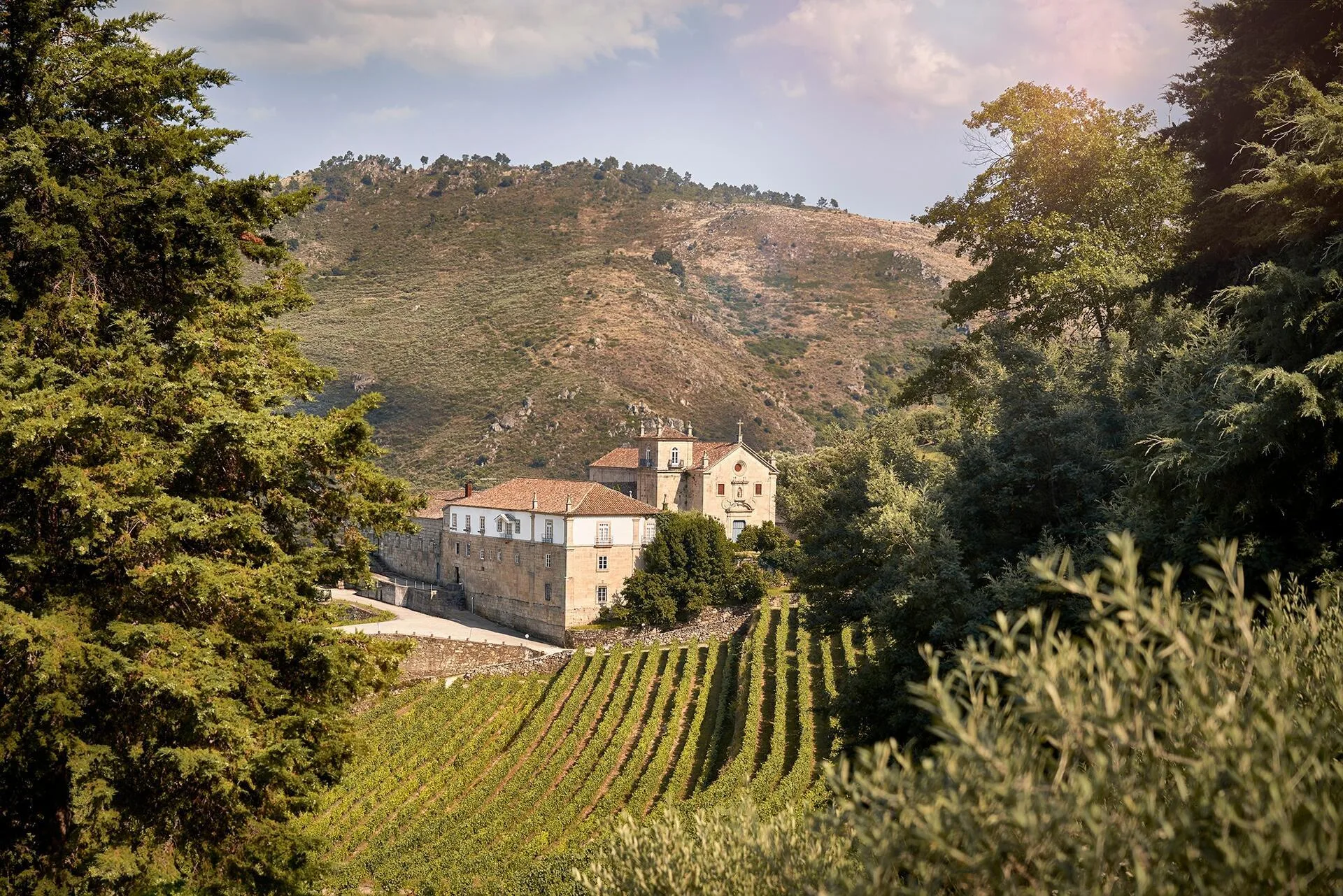
The Douro is home to historic quintas with impressive manor houses, traditional architecture, wine cellars, chapels and agricultural buildings. These properties often have considerable character and may occupy exceptional positions overlooking the vineyards and river.
Source: portugalbywine.com
Their architectural heritage can make them particularly appealing to international buyers seeking something unique. However, restoration can be complex, especially where traditional construction methods or heritage protection requirements apply. Structural assessments, planning restrictions and realistic renovation budgets should always be considered before purchasing.
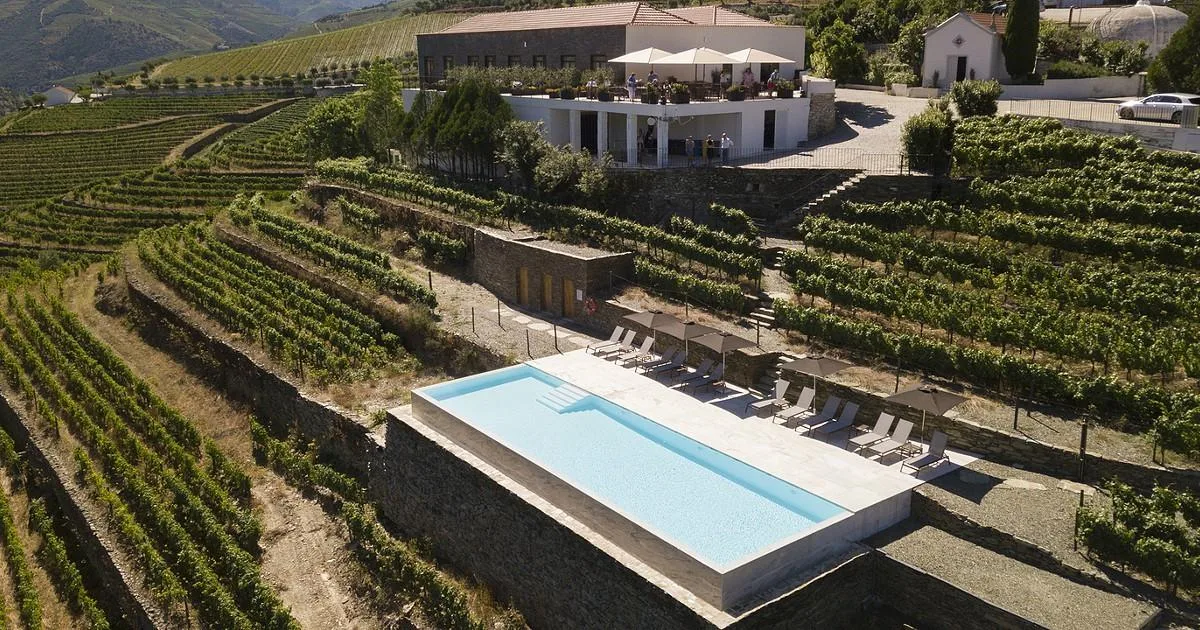
Lifestyle and Tourism Estates
Some quintas are already operating as rural accommodation, boutique guesthouses or wine tourism destinations, while others have the potential to be adapted for these purposes. Depending on their location and characteristics, they may offer opportunities for guest accommodation, wine tastings, private events and experiences connected to the local landscape and gastronomy.
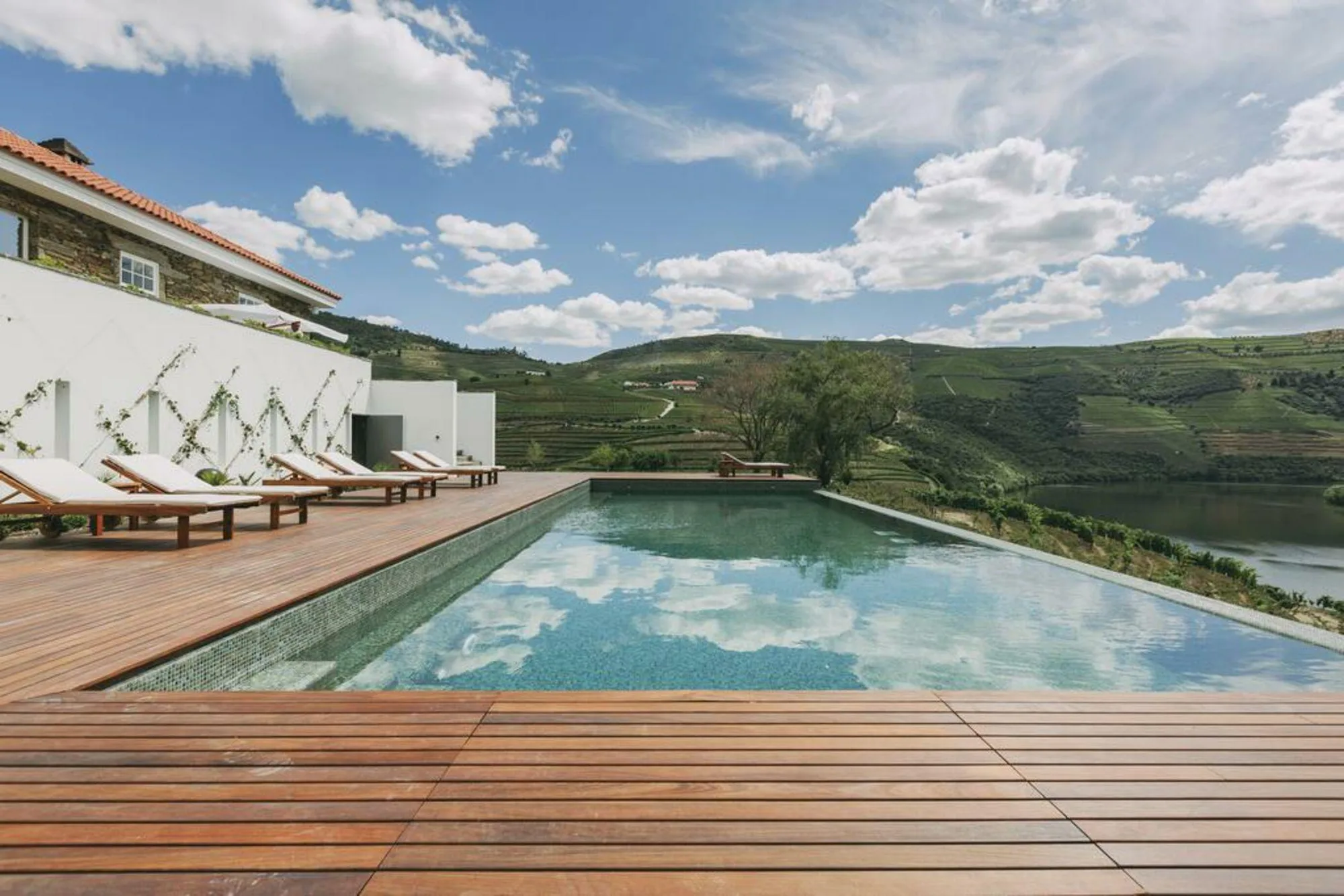
Source: myboutiquehotel.com
However, tourism potential should never be assumed: licensing, planning permissions, building conditions, accessibility and operational costs must all be assessed. For buyers seeking a property that combines personal use with a hospitality business, this category can be particularly interesting.
Smaller Residential Properties with Land
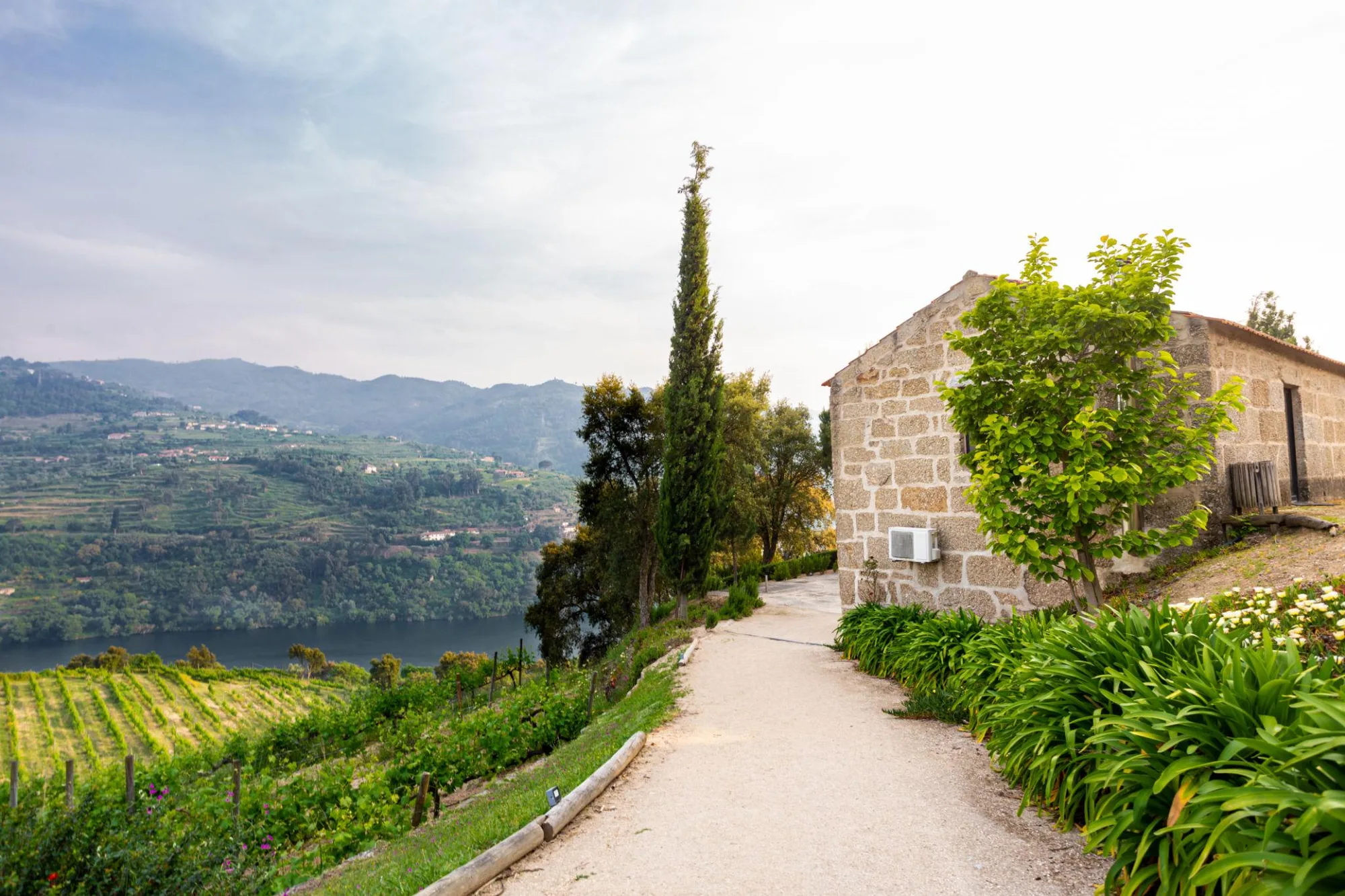
Not every quinta needs to be a large estate. Smaller properties with a traditional house and a few hectares of vineyards, olive groves or gardens can offer a more manageable way to experience life in the Douro. They are often better suited to buyers who prioritise privacy, landscape and residential comfort rather than running a full agricultural operation.
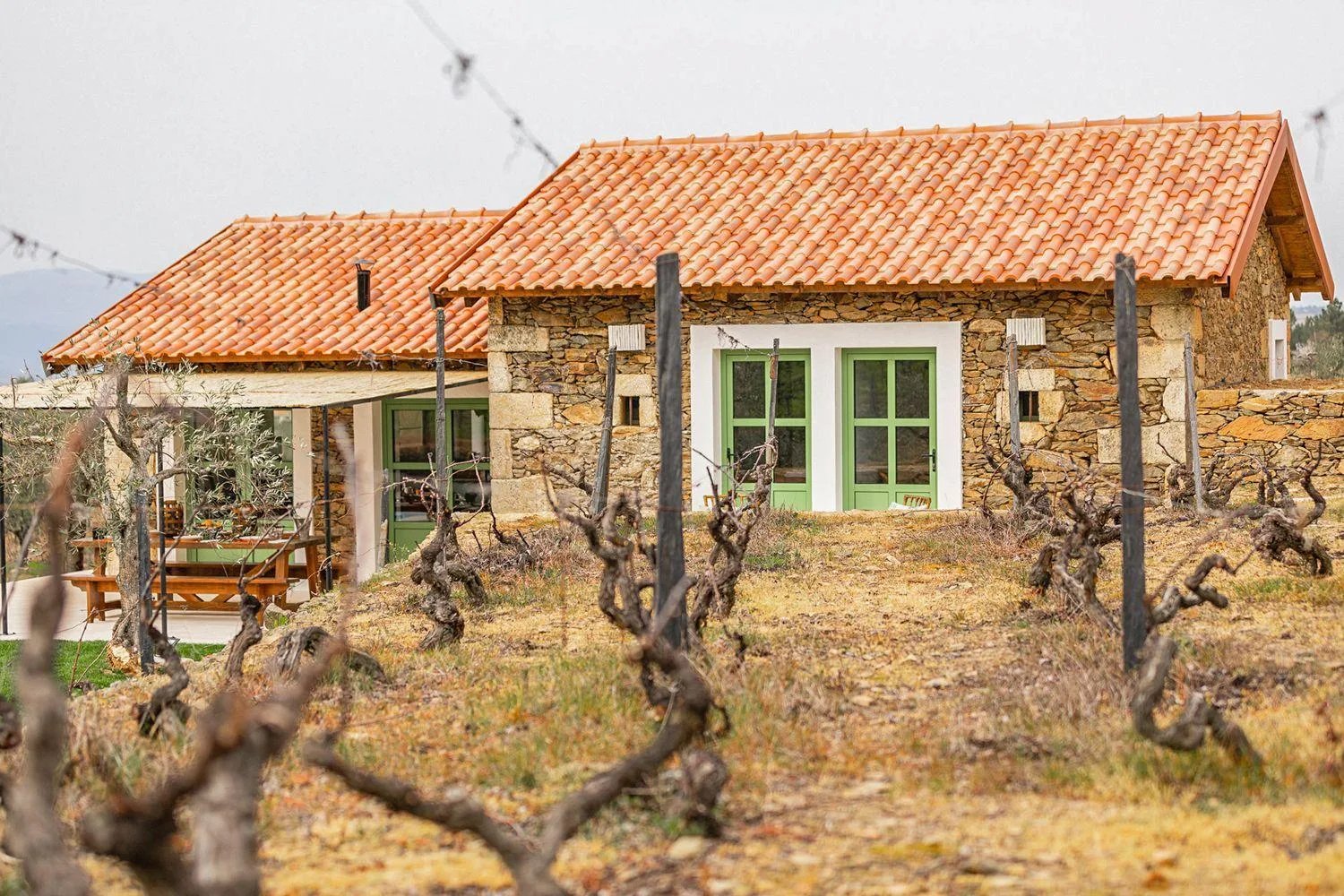
Source: oliverstravels.com
Depending on the property, there may still be opportunities for small-scale production or tourism, subject to the relevant permissions. These properties can also involve lower maintenance commitments than larger estates, although this depends on the condition and nature of the land. Finding the right type of quinta depends on whether the priority is residential use, agricultural production, tourism or a combination of these.
Understanding the costs of owning a quinta
The purchase price is only one part of the investment. Buyers should consider several additional costs.
1. Vineyard maintenance and agricultural operations
Vineyards require regular pruning, treatments, harvesting, labour and equipment. According to a 2025 presentation by ADVID and GEODouro, production costs recorded for Douro vineyards between 2020 and 2024 ranged from approximately €2,800 to €3,380 per hectare annually for the smaller operation analysed. These figures are a useful reference, not a universal budget.
2. Vineyard installation and restructuring
Restoring an abandoned vineyard or planting a new one can require substantial investment. Portugal’s CAP Strategic Plan identifies an average investment intention of approximately €44,670 per hectare for vineyard restructuring projects in the Douro in the 2025/2026 campaign. Actual costs depend on the terrain, terrace system, planting density and project specifications.
3. Building restoration
Traditional stone houses, farm buildings and wineries may need roof repairs, structural work, plumbing, electricity, insulation and modernisation. Historic features and difficult access can increase costs. A technical inspection and renovation estimate should be obtained before committing to a purchase.
4. Land and landscape maintenance
Terraces, stone walls, drainage systems, access roads, woodland and agricultural boundaries all require attention. The steep terrain of the Douro can make maintenance more labour-intensive than in flatter regions.
5. Taxes and purchase costs
Buyers should also budget for property transfer tax (IMT), Stamp Duty, legal and registration costs, and ongoing municipal property tax (IMI). The applicable taxes depend on the classification and declared tax value of the property, so each acquisition needs individual assessment.
What makes a quinta a good long-term investment?
A well-selected quinta may offer several forms of value: the potential appreciation of the property, agricultural income, wine production, tourism opportunities and personal use.
However, the investment case depends on more than location and views. Vineyard condition, water availability, accessibility, building quality, land classification and the possibility of obtaining licences for future uses can all influence its long-term potential.
The Douro is also a UNESCO World Heritage landscape. Its historic terraces and traditional agricultural structures are part of what makes the region exceptional, but they also bring responsibilities for landscape preservation and maintenance.
Why Property Scouting matters
Finding a quinta in the Douro is not simply about finding a beautiful property. It is about understanding the land, the buildings, the agricultural operation and the property's real potential.
At Hidden Portugal Estates, our Property Scouting service is designed to help international buyers navigate this process. We search for properties according to each client's objectives, identify opportunities beyond the usual online listings and help assess the practical considerations involved in each acquisition.
From a small traditional quinta to a historic wine estate with established vineyards, we help buyers look beyond the photographs and understand what they are actually investing in.
Considering buying a quinta in the Douro Valley?
Let Hidden Portugal Estates help you find the right property, assess its potential and make a more informed investment decision.
Discover our Property Scouting services.
Sources and further reading
UNESCO – Alto Douro Wine Region — The region’s heritage, landscape, vineyard terraces and traditional estates.
ADVID / GEODouro – Vineyard Production Costs in the Douro (2025) — Production cost data for vineyards in the Douro.
Portuguese CAP Strategic Plan (PEPAC) — Vineyard restructuring investment references for the 2025/2026 campaign.
Portuguese Tax Authority – IMT Code — Official rules on property transfer tax.
Note: Agricultural cost figures are reference data from specific studies and programmes, not guaranteed costs for an individual estate. A property-specific assessment is essential.
For a perspective tailored to your objectives, share your brief with the firm.
Request Private Access