
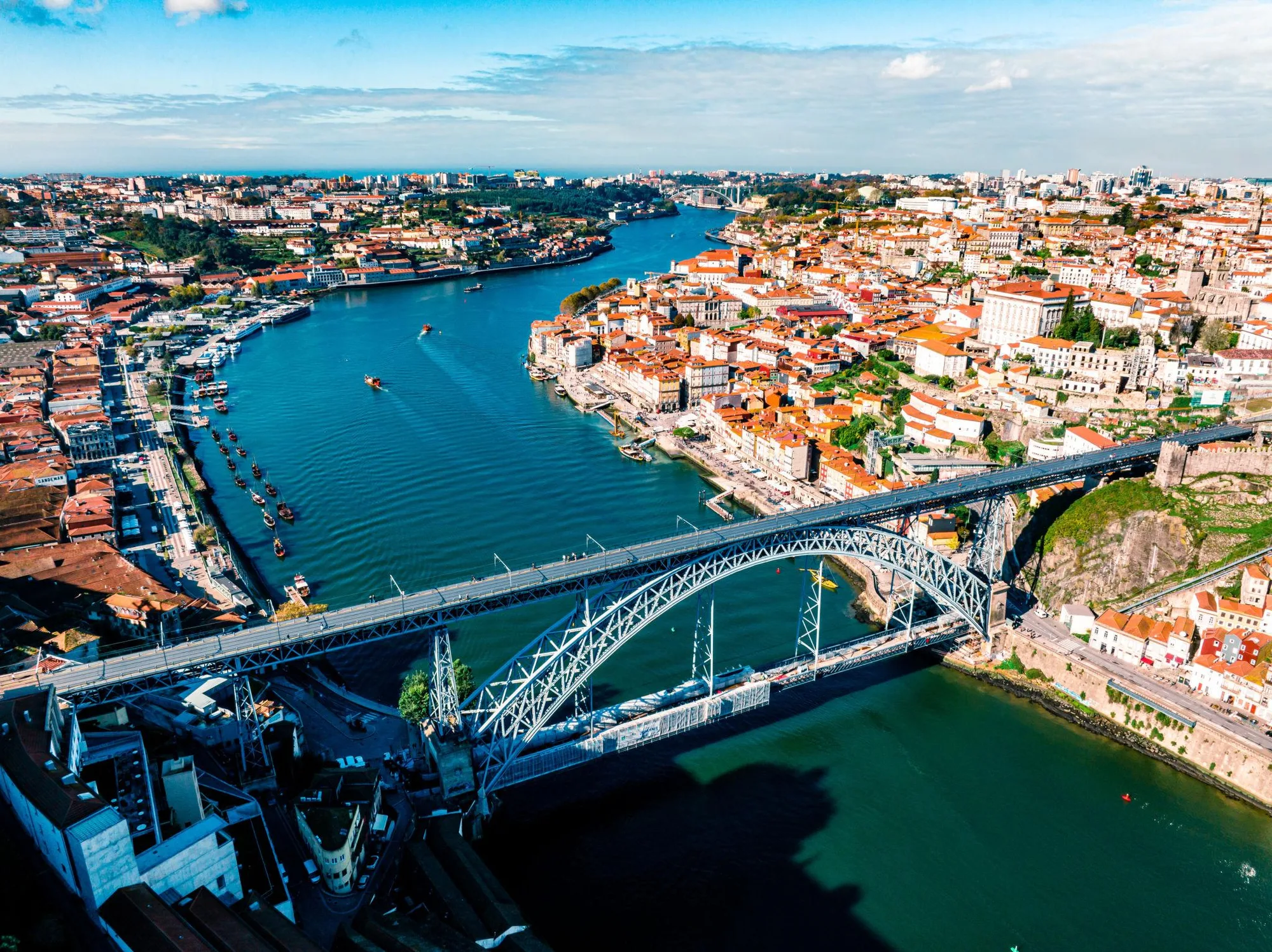
Porto has become one of Portugal’s most appealing cities for international property buyers. Combining historic architecture, a vibrant cultural scene, excellent gastronomy, universities, business opportunities and a privileged location on the Atlantic coast, the city offers an attractive balance between quality of life and international accessibility.
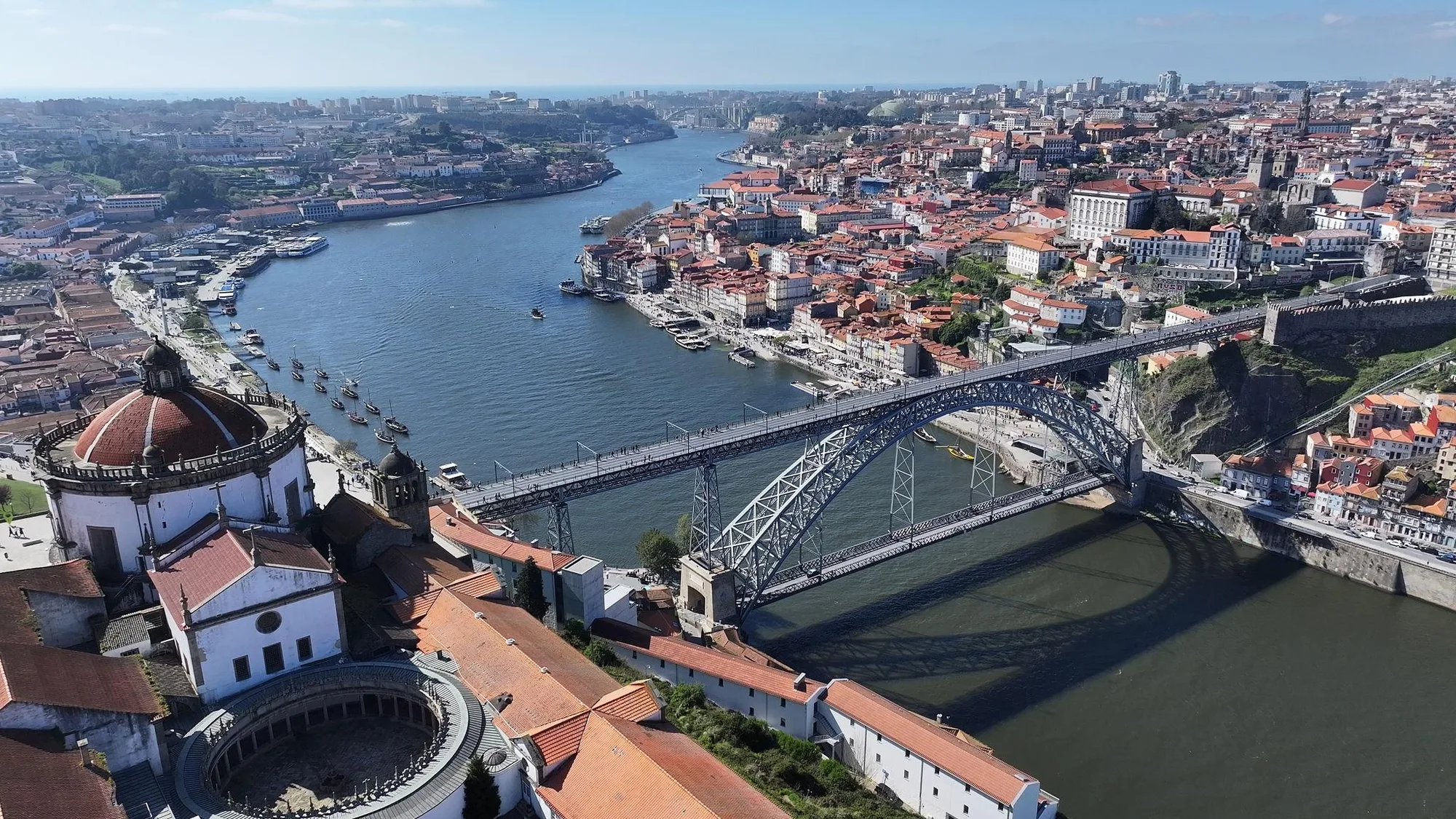
Source: Gettyimages.com
There is, however, another factor increasingly worth considering when buying a property in Porto: its airport connections.
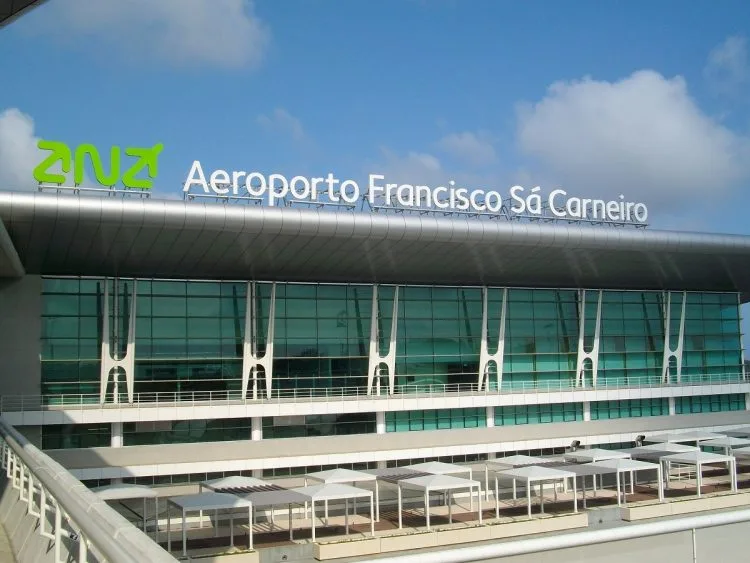
Francisco Sá Carneiro Airport, located in Maia, just north of Porto, has developed into a major international gateway for Northern Portugal. In 2025, it handled more than 16.9 million passengers, representing a 6.3% increase compared with the previous year. Its winter 2026/2027 programme includes more than 100 direct destinations, with several international routes operating beyond the traditional summer season.
For property buyers who travel regularly, maintain family or professional connections abroad, or divide their time between different countries, this level of connectivity can make a real difference.

Source: pexels.com
But where should you buy? Is the historic city centre the best option, or would a residential neighbourhood or nearby municipality offer a better lifestyle? And how easy is it to reach the airport from Porto’s main residential areas?
In this guide, we explore the different locations, international flight connections and practical considerations that can help you make an informed property decision.
Porto: A City with Growing International Connectivity
The development of Francisco Sá Carneiro Airport is an important part of Porto’s growing international appeal. In 2025, the airport welcomed more than 16.9 million passengers, its highest annual figure to date. Its growth has been supported by an expanding network of European and intercontinental routes, including new connections to North America and additional services to other international destinations.
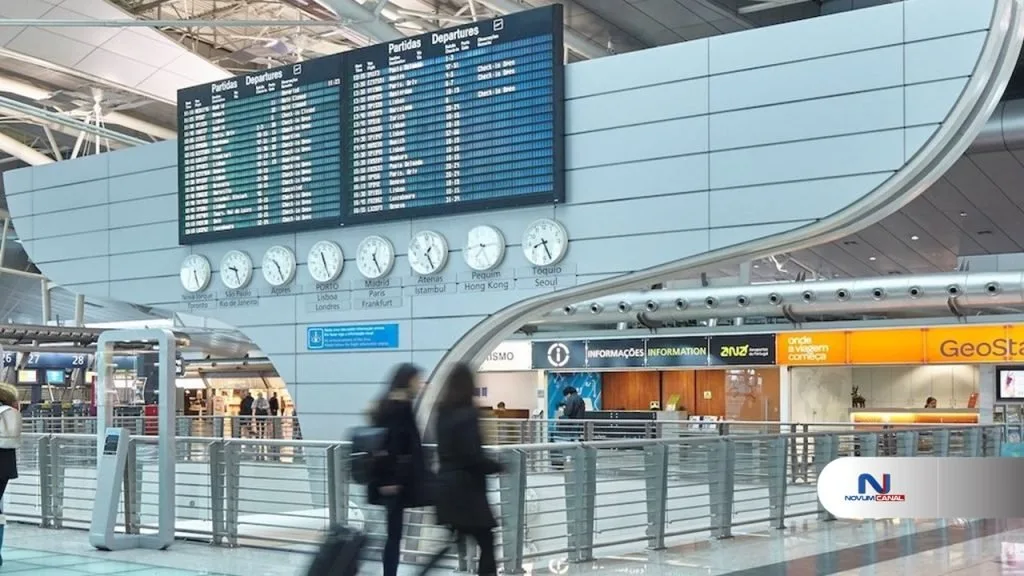
For summer 2026, ANA announced 21 new routes, six of which were intercontinental. The winter 2026/2027 programme subsequently introduced 24 new routes or extensions, bringing the airport’s direct network to more than 100 destinations.
Porto is increasingly recognised as an important aviation gateway for Northern Portugal. It is worth distinguishing this role from that of a major airline transfer hub such as Frankfurt, London or Madrid. Porto’s strength lies in its growing network of direct connections, the presence of several international airlines and its accessibility from a wide range of European and overseas cities.
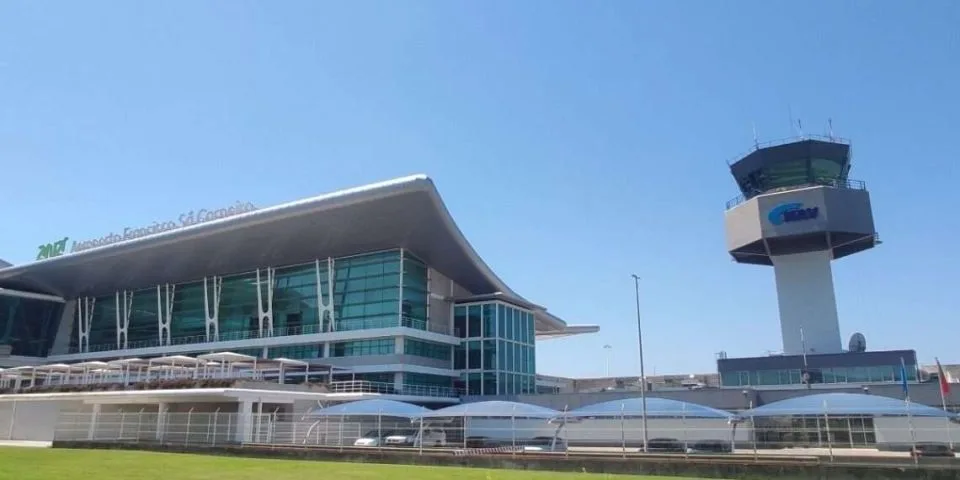
For someone buying a home in the region, this means that travelling between Porto and many international destinations can be straightforward, often without the need to connect through Lisbon or another European airport.
The airport’s location is another advantage. Situated in Maia, north of Porto, it is connected to the city by major roads and the Metro do Porto network.
Direct Flights Between Porto and Germany
Porto has an established network of direct connections with several German cities, making travel between the two destinations convenient throughout much of the year.
Berlin, Frankfurt and Munich are among the most relevant connections. Other destinations include Hamburg, Düsseldorf and Cologne/Bonn, depending on the season and airline schedule.
Airlines operating direct services between Porto and German destinations include Lufthansa, Eurowings, easyJet and Ryanair.
These connections are particularly useful for people who travel regularly between Portugal and Germany. Whether visiting a property, overseeing renovation work, managing personal affairs or spending time in Portugal, direct flights can make the journey considerably more convenient.
The availability and frequency of these routes can change between summer and winter schedules. Some services operate throughout the year, while others are seasonal or have different weekly frequencies.
It is therefore advisable to check the airline’s current timetable before booking, particularly when planning regular travel outside the main summer season.
Direct Flights Between Porto and the United States
Transatlantic connectivity has become an increasingly important part of Porto Airport’s development.
Direct flights between Porto and the United States provide convenient connections between Northern Portugal and several major American cities.
Boston and Newark, in the New York metropolitan area, are important direct connections operated by TAP Air Portugal and United Airlines. New York JFK is also served by Delta Air Lines.
Another important development is the planned introduction of a direct Porto–Washington Dulles service by TAP Air Portugal from 30 March 2027. The route is scheduled to operate three times a week throughout the year and will provide the first direct connection between Porto and the US capital.
These connections demonstrate the growing importance of transatlantic travel from Porto and provide more options for people travelling regularly between Portugal and North America.
For property buyers, this is particularly relevant when considering a permanent move, a second home or a lifestyle that involves spending part of the year in Portugal and part abroad.
As with all international routes, schedules, frequencies and operating dates should be checked directly with the airlines.
Direct Flights Between Porto and Brazil
Portugal and Brazil share deep historical, cultural, linguistic and economic connections. Direct flights between Porto and Brazil make the city an accessible location for people who travel regularly between the two countries.
São Paulo, Rio de Janeiro, Campinas and Viracopos are among the main Brazilian destinations connected directly to Porto. Recife is another important connection, providing access to Brazil’s northeast.
TAP Air Portugal operates direct services to São Paulo and Rio de Janeiro, while Azul provides connections to Campinas and Recife, subject to the published seasonal schedule.
These routes provide access to different regions of Brazil and make travelling between the two countries more straightforward.
For anyone considering a home in Porto, this connectivity offers a practical advantage: the possibility of travelling directly between Northern Portugal and Brazil without necessarily connecting through another European airport.
Flight frequencies and operating schedules can vary, so it is important to confirm the availability of each route for the intended travel dates.
Buying a Home in Porto City Centre: Living Close to Everything
Porto’s historic centre remains one of the most attractive options for buyers who value urban living, architecture, culture and the convenience of having everyday amenities within walking distance.
Three areas are particularly worth considering: Baixa and the Historic Centre, Cedofeita and Bonfim.
Baixa and the Historic Centre
Baixa is an obvious choice for anyone who wants to live in the heart of Porto. This area is characterised by historic buildings, renovated apartments, traditional shops, cafés, restaurants and some of the city’s most important cultural attractions.

It is particularly appealing to buyers looking for an urban residence or a second home with easy access to the city’s everyday activities.
However, buying in the historic centre requires careful property assessment. Older buildings may have limited parking, less efficient insulation, accessibility constraints or a need for further renovation.

The quality of previous refurbishment work, the condition of communal areas and the building’s maintenance history should all be considered before making an offer.
Cedofeita
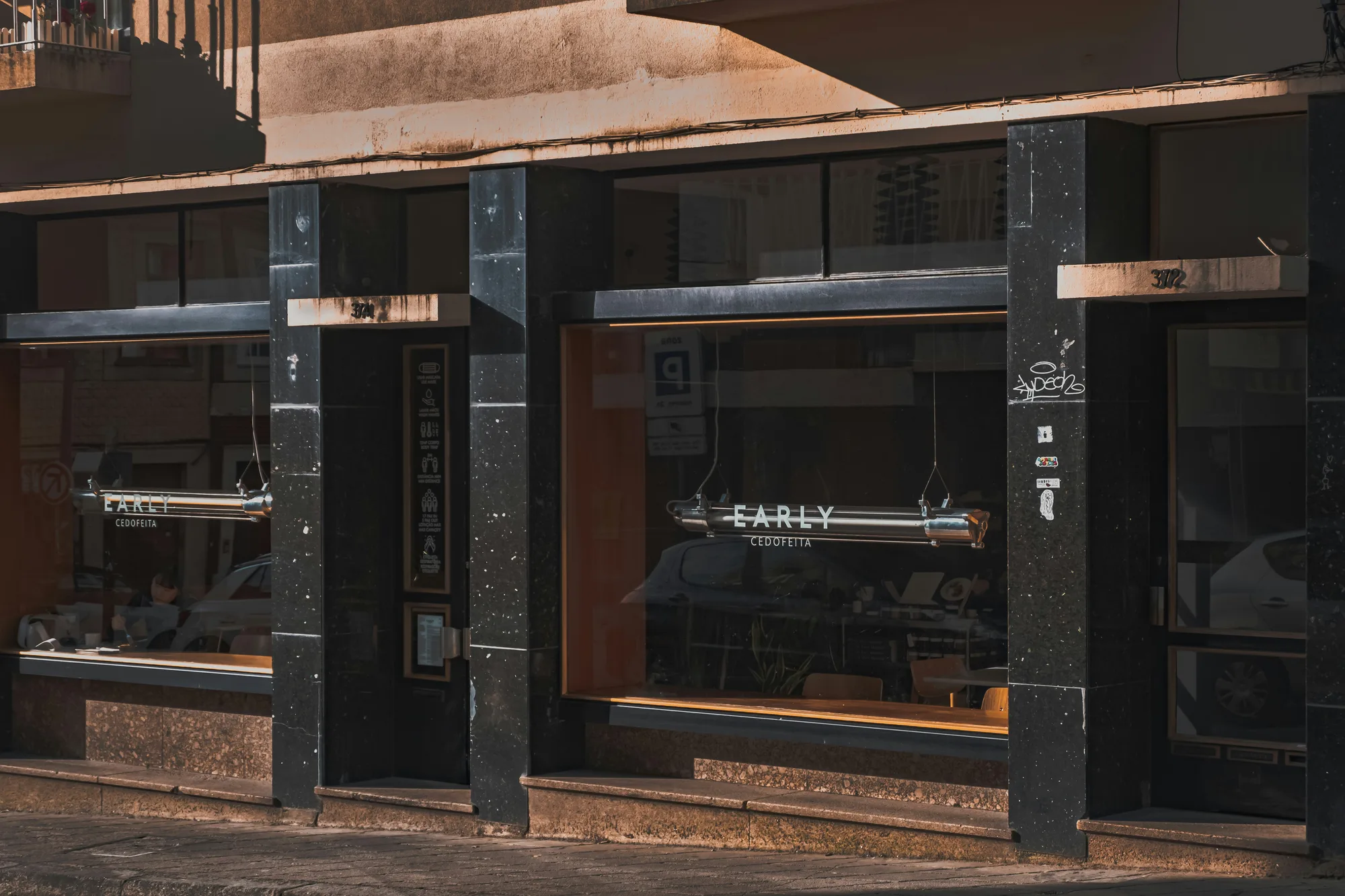
Cedofeita combines a central location with a distinct residential and cultural atmosphere. Known for its art galleries, independent shops, cafés and restaurants, it offers a more neighbourhood-oriented lifestyle while remaining close to the city centre.
Source: Picture Yauheni Flerman | Unsplash
The property market includes renovated apartments, traditional buildings and homes with interesting architectural features. For buyers who want to be close to the centre without living in the busiest tourist areas, Cedofeita is well worth considering.
Bonfim
Bonfim has attracted increasing interest from buyers looking for a central location with a strong local identity. The area combines traditional buildings, renovated properties, independent businesses and newer residential developments.

Its proximity to the city centre, Campanhã railway station and several transport connections makes it practical for people who travel regularly or need to move around Portugal.
As with many Porto neighbourhoods, the experience can vary considerably from one street to another. It is worth visiting the area at different times of day and assessing the immediate surroundings of each property.
Residential Areas Outside the Historic Centre
Not every buyer wants to live in the historic centre. Families, professionals working remotely, people planning a permanent move and those who value more space and quieter surroundings may find other residential areas more suitable.
Three locations stand out: Foz do Douro, Boavista and Matosinhos.
Foz do Douro
Foz do Douro is one of Porto’s most sought-after residential areas, particularly among buyers who value proximity to the ocean, a quieter atmosphere and an established residential environment.

Source: Picture Alejandro Piñero Amerio | Unsplash
The area combines traditional houses, contemporary villas, apartments and properties with distinctive architectural features. Residents benefit from access to beaches, restaurants, schools, green spaces and the Atlantic coastline.
For families and buyers looking for a second home that can also be enjoyed throughout the year, Foz is an appealing option.
Budget is an important consideration, however, as some of Porto’s most prestigious residential locations are found in this area.
Boavista
Boavista is one of Porto’s most important residential and business districts. It offers wide avenues, office buildings, shops, schools, services and good road connections. Its proximity to Casa da Música and Avenida da Boavista makes it an attractive option for buyers who want an urban lifestyle with a different feel from the historic centre.
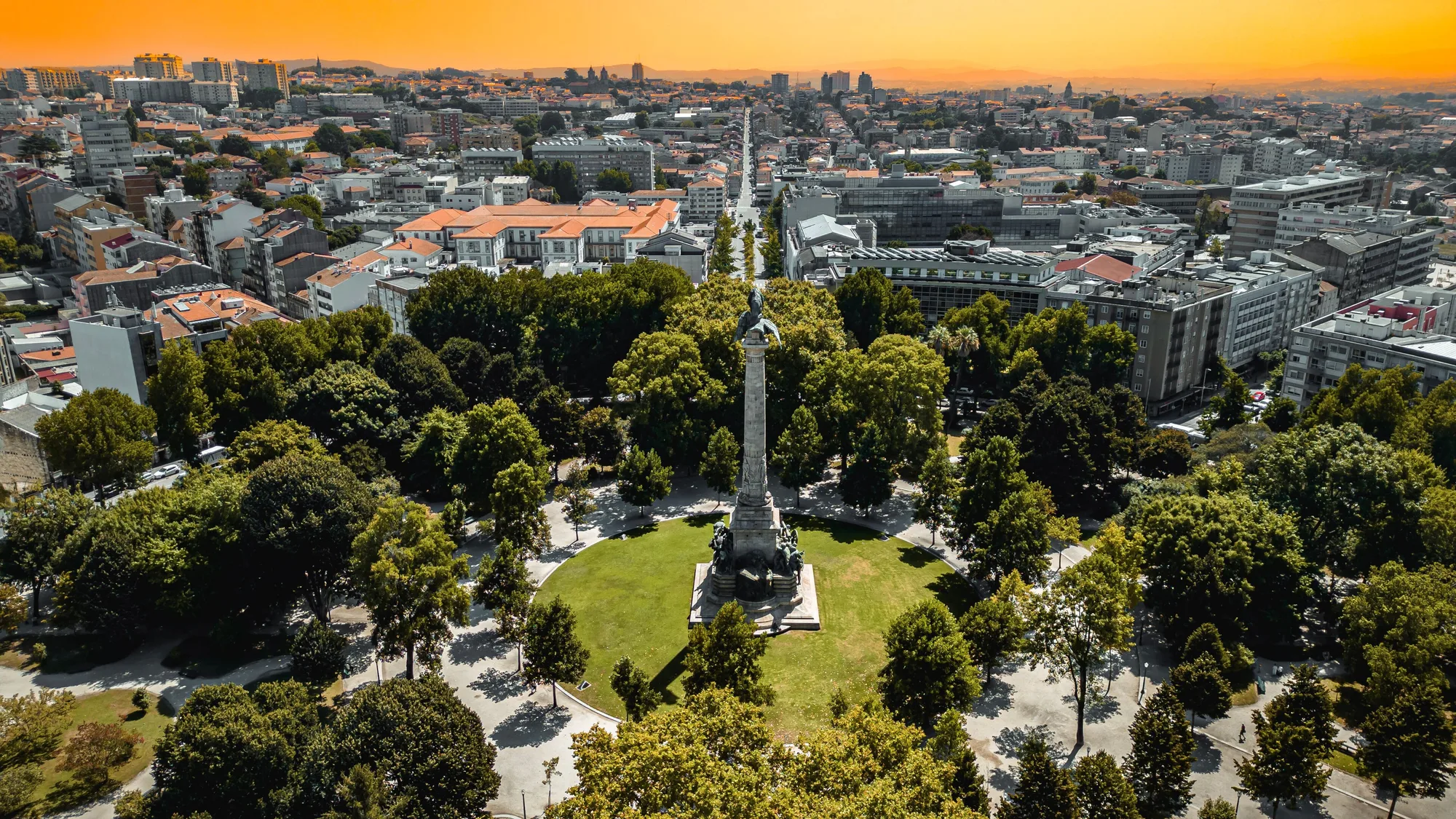
The property market includes apartments, family homes and higher-end residential developments.
Boavista is particularly worth considering for buyers looking for a primary residence with convenient access to everyday services and business areas.
Matosinhos
Located just north of Porto, Matosinhos is one of the most attractive alternatives for buyers who want to remain close to the city while enjoying a coastal lifestyle.

Source: Picture Weronika Janas | Unsplash
The municipality combines beaches, restaurants, shops, services, residential neighbourhoods and a metro connection to Porto.
Matosinhos Sul is particularly popular among people who value living close to the ocean.
Its proximity to Francisco Sá Carneiro Airport is another practical advantage, especially for frequent travellers.
How Far Is Francisco Sá Carneiro Airport from Porto’s Main Residential Areas?
One of the most practical questions when buying a home in Porto is how long it takes to reach the airport.
Francisco Sá Carneiro Airport is located in Maia, north of Porto city centre. Journey times vary according to the neighbourhood, traffic conditions and time of day.
From Maia, the journey can take approximately 10 to 15 minutes by car. Matosinhos is also relatively close, generally around 10 to 15 minutes away, depending on the starting point and traffic.
From central residential areas such as Boavista and Casa da Música, the journey is usually around 20 to 23 minutes. From Foz do Douro, allow approximately 20 to 25 minutes.
The historic centre, including Baixa and Aliados, is generally around 21 to 25 minutes away by car. Travelling from Ribeira may take approximately 25 to 30 minutes, depending on traffic and access restrictions. From the riverside area of Vila Nova de Gaia, the journey is often around 20 to 25 minutes.
These are indicative driving estimates under normal traffic conditions, not guaranteed journey times. Actual travel times can be longer during rush hour, bad weather or periods of heavy traffic. Some historic streets, particularly around Ribeira, also have access and parking restrictions.
City Centre or Surrounding Areas: Which Is the Better Choice?
There is no universal answer. The right location depends on lifestyle, budget, intended use and how frequently you travel.
The city centre offers immediate access to restaurants, shops, cultural attractions and public transport. It is particularly suitable for buyers who enjoy urban living and prefer to have most amenities within walking distance.
Residential areas such as Foz and Boavista offer a different lifestyle, with a more residential atmosphere, larger homes in some locations and convenient access to services. Matosinhos adds the appeal of coastal living while remaining close to Porto and the airport.
For someone who travels several times a month, living close to a metro station or having quick access to the VCI, A28 or A4 motorways may be just as important as the distance to the airport itself.
On the other hand, for someone planning to live in the property permanently, proximity to schools, supermarkets, hospitals, green spaces and everyday services may be more important than saving a few minutes on the journey to the airport.
The best decision comes from considering the entire lifestyle rather than focusing on a single location feature.
What Should You Consider Before Buying a Home in Porto?
International connectivity is an important advantage, but it should never be the only factor in a property decision.
The exact location: Two streets in the same neighbourhood can offer very different residential experiences. Visit the area at different times of day and assess access, noise, parking and nearby services.
Noise exposure: In areas close to the airport, major roads and railway lines, it is important to assess external noise and the property’s acoustic insulation. Airport proximity can be a logistical advantage, but it is not automatically a residential advantage.
The condition of the building: Many Porto properties are located in older buildings. Structural condition, roofing, façades, plumbing, electrical installations and the quality of previous renovation work should all be checked.
Energy efficiency: Review the energy performance certificate, thermal insulation, windows, heating and cooling systems and ventilation.
Transport connections: Confirm the actual distance to metro, train and bus stations, as well as realistic journey times to the airport and other important destinations.
Legal documentation: A proper due diligence process should include the land registry certificate, tax registration document, applicable use licence, energy certificate and any charges or restrictions affecting the property.
Purchase costs: In addition to the purchase price, buyers should budget for IMT (Property Transfer Tax), Stamp Duty, registration, notarial or legal costs, possible financing expenses and annual IMI (Municipal Property Tax). Applicable taxes depend on the property’s characteristics and intended use.
Future use: Whether you intend to live in the property, rent it out or use it as a second home, make sure that the property’s legal and planning status is compatible with your plans.
Find the Right Property in Porto with Hidden Portugal Estates
Choosing a home in Porto involves much more than finding a property with attractive photographs or a well-known address.
It requires an understanding of the differences between neighbourhoods, an assessment of the property’s quality, knowledge of local transport connections and a clear idea of which location best matches your lifestyle and long-term plans.
At Hidden Portugal Estates, we assist national and international buyers in finding properties in Porto and across Northern Portugal through our personalised Property Scouting service.
We work around each client’s individual requirements, helping identify opportunities in the historic city centre, established residential areas such as Boavista and Foz, and nearby locations such as Matosinhos.
From organising a property search remotely to selecting homes based on specific requirements and supporting the different stages of the search, our aim is to make the process clearer and more efficient.
Whether you are looking for a city-centre apartment, a seaside home or a family property in a quieter residential area, we help you look beyond the listings and find a property that genuinely fits your plans in Portugal.
Thinking about buying a home in Porto?
Let Hidden Portugal Estates help you find the right property and the right location.
Discover our Property Scouting service:
https://hiddenportugalestates.com/
Sources and Further Information
Flight routes, airlines and frequencies are subject to seasonal changes and airline scheduling decisions. The following sources provide further information and should be consulted before making travel arrangements.
ANA Aeroportos – Porto Airport: Summer 2026 route expansion
https://pt.newsroom.ana.pt/news/aeroporto-do-porto-com-21-novas-rotas-neste-verao-b47a2-4a6c7.htmlANA Aeroportos – Porto Airport: Winter 2026/2027 schedule
https://pt.newsroom.ana.pt/news/aeroporto-do-porto-com-24-novas-rotas-neste-inverno-b5116-4a6c7.htmlANA – Porto Airport to fly direct to Washington, D.C. from March 2027
https://en.newsroom.ana.pt/news/porto-airport-to-fly-direct-to-washington-d-c-from-march-2027-dca77-614cf.htmlPorto Airport – Airlines and Destinations
https://www.portoairport.pt/en/opo/flights-destinations/airlines/airlines-and-destinationsMetro do Porto – Public transport information
https://www.metrodoporto.pt/Portuguese Government – Buying and selling property in Portugal
https://www2.gov.pt/en-GB/cidadaos-europeus-viajar-viver-e-fazer-negocios-em-portugal/viver-em-portugal/compra-e-venda-de-imoveis-em-portugal-cidadaos-europeus
Editorial note: Airport passenger figures and route information reflect published information available in November 2026 and announced schedules for 2026/2027. Flight routes, frequencies and operating dates may change. Driving times are indicative estimates and should be checked for the specific property location and travel time.
For a perspective tailored to your objectives, share your brief with the firm.
Request Private Access